When a business operates several branches, the choice is not just one WhatsApp number versus one per location. The harder question is who owns an inquiry about a specific branch and whether the customer can get an answer without repeating the same details to three employees.
Start with how your locations actually operate
A central number often makes sense when customers see one brand, and bookings or requests are allocated centrally. Separate branch numbers may be clearer when each location has its own hours, stock, staff and decision-making authority. Neither model is automatically better.
Consider a chain of repair centers. If a customer describes a problem before choosing a location, a central intake may be useful. If each center has distinct pricing and service availability, the team needs branch-specific information before promising anything.
Identify the location before transferring the conversation
Ask a question that has a purpose: “Which area would you like service in?” or “Do you already have a booking at one of our branches?” Do not demand a branch selection when the general answer is sufficient.
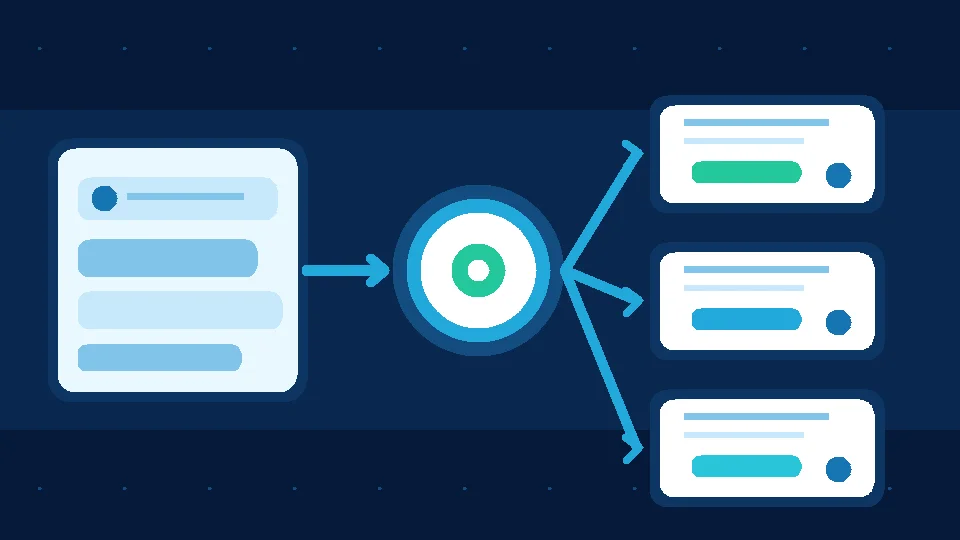
Then record the intended branch, request type and responsible person or team. If the location changes, record why and who accepted ownership. The goal is not more fields; it is a handoff that lets the next person act.
WhatsApp's official guidance on lists and quick replies explains the value of organizing conversations around status and next actions. Applying that idea across branches is our operational recommendation, not a claim that Mr. AI has built-in branch routing.
Four situations that need an explicit rule
Branch unknown: central intake explains the available options and assigns an owner.
Branch known, answer missing: ask the local team once and give the customer a realistic update time.
Branch cannot fulfill: confirm an alternative before suggesting another location. Do not send the customer into an uncoordinated transfer.
Complaint about a branch: keep one complaint owner even when another team is responsible for the remedy. A transfer is not a resolution.
If shifts also change during the day, see our guide to customer support shift handovers.
Choosing one number versus several
Ask four questions. Do customers usually know their location before messaging? Are prices and inventory shared? Is there a central reception team? Does management need reporting by branch?
If operations are centralized, one number plus a recorded branch field can be a sensible starting point. If branches operate independently, dedicated numbers may make the customer's path clearer. Test the experience before changing phone numbers printed on storefronts, receipts or advertisements.
The official WhatsApp Business Platform features describe messaging APIs and interactive replies. They do not mean every third-party inbox automatically includes geographic routing or branch permissions.
Measure ownership, not the number of transfers
Review the percentage of inquiries assigned to the right branch first time, time to reach the responsible team, unnecessary transfers and requests ending with a clear next action. These are suggested internal measures, not Mr. AI customer results.
Sample twenty recent cross-branch conversations. How often did the customer repeat the same information? How often was no owner visible? Those cases tell you what to fix first.
Where Mr. AI fits, with clear boundaries
Current published Mr. AI information confirms WhatsApp, Messenger and website chat support, company-knowledge replies, summaries, follow-up and human handoff. We are not claiming a native geographic branch-routing feature or automated branch-level permission model.
Test how your team can use the verified conversation features, and identify which routing steps require manual operations or additional integrations. For the related staffing question, read WhatsApp Business for multiple agents on one number.
Book a demo to discuss your messaging workflow, or try Mr. AI with real questions from your locations.