A promotion or enrollment season can flood your customer inbox. One agent may be answering a routine price question while a paid order is stuck and its delivery promise is at risk. The answer is not to mark every message urgent or abandon older messages. It is to rank work by the impact of delay and its urgency, then give every open case an owner and a review time.
First-in, first-out is not always the right service rule
A chronological inbox looks fair, but it treats a general question and a payment failure as equivalent. Prioritizing only by customer value is not much better: it can push a serious issue for a smaller buyer to the back. Teams need a rule they can explain and audit, not an agent's instinct about who matters.
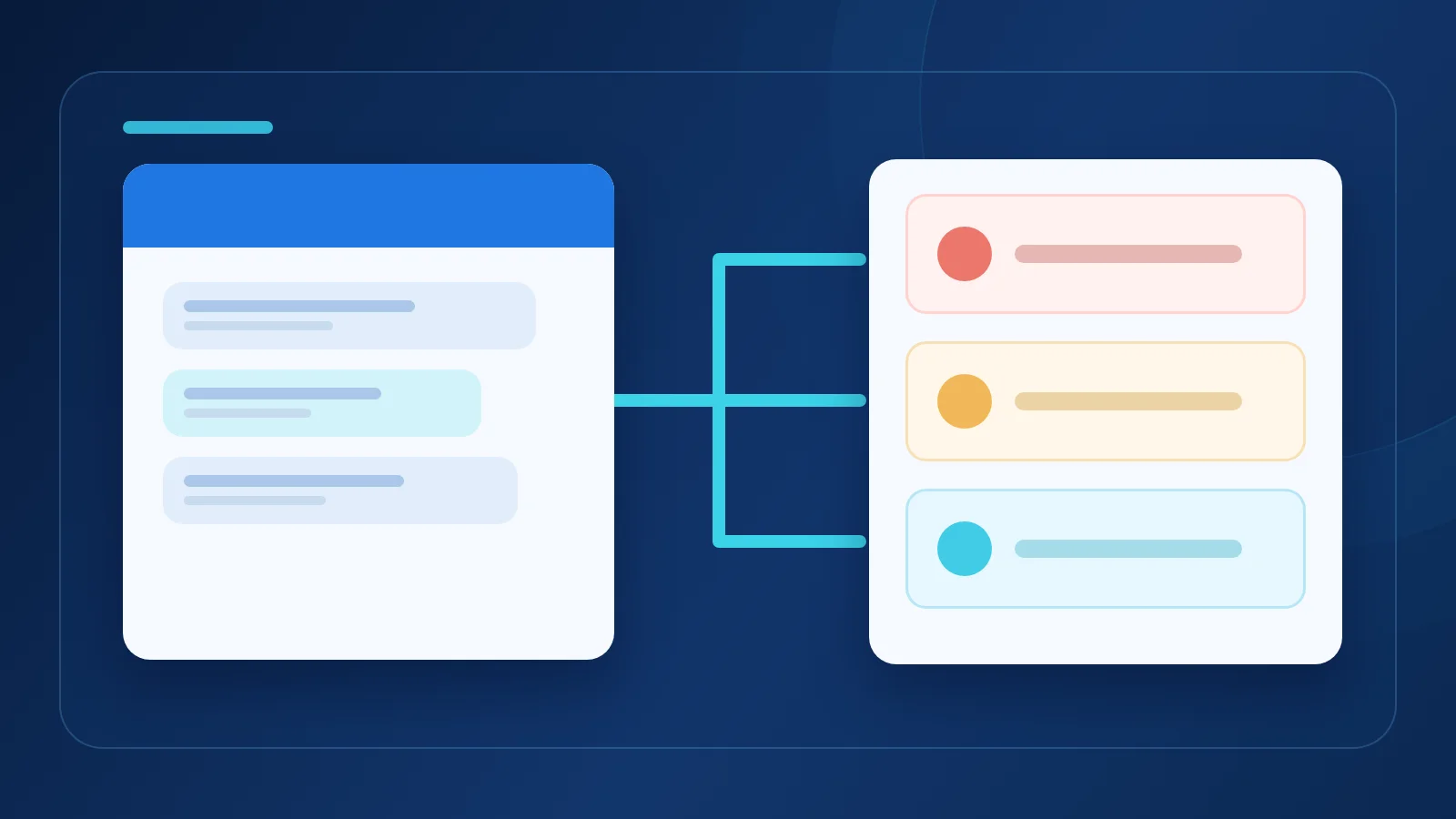
For each case, ask two questions: What happens if we wait? and How soon will that consequence matter? Atlassian's impact and urgency matrix applies this logic to incident triage. It is a general operational reference, not an Egyptian SLA standard or a feature claim about Mr. AI.
Four starting priorities for a small team
Critical: repeated payment failure, possible exposure of customer information, or a confirmed time-sensitive order without an owner. This needs prompt human review under your company's rules.
High: a qualified buyer awaiting a decision today, or a complaint linked to a missed commitment. Assign a named owner and a specific update time.
Normal: product, pricing and availability questions that can be answered from current company information, with uncertain details checked before being promised.
Deferred with a deadline: a suggestion or low-urgency question that does not create immediate harm if delayed. Deferred still means scheduled, not forgotten.
These are example internal categories, not universal response-time requirements. Legal, safety and contractual duties may override your chosen matrix.
More automated replies are not always better
If many customers ask the same shipping question, check whether your published information is accurate before scaling replies. A fast wrong answer creates more complaints. For paid-order changes, cancellations or exceptions, the team should verify the actual status and policy before committing to an action.
Mr. AI supports company-knowledge replies, follow-up and conversation summaries, with human takeover across WhatsApp, Messenger and website chat. We are not claiming a built-in risk-scoring engine, automatic severity classification or guaranteed response SLAs. Define the policy first and test which parts of the workflow your settings can support.
Run a one-week peak-hour trial
Choose one busy window. Record the arrival time, request type, impact of delay, urgency, priority, owner and next review time. Start each shift by reviewing critical and high cases, then work through the normal queue so quiet cases do not accumulate indefinitely. When ownership changes, require an explicit handover rather than relying on a tag alone.
Consider a hypothetical electronics retailer during a promotion. One buyer asks which colors are available. Another sends payment evidence but the order is not visible in the ledger. The first deserves a clear response. The second needs a finance check before anyone confirms payment. Prioritization protects both without making an unsupported promise.
Measure the cases that fall through the cracks
Track critical cases without an owner, customer update commitments met on time, waiting time for normal cases, and conversations reopened after incorrect information. Average first-response time alone can improve while complex cases deteriorate. Review a sample of actual conversations to see whether the triage rule makes sense.
This is different from support shift handover, which covers transferring responsibility, and complaint escalation SLAs, which cover case commitments after intake. Here the decision is which conversation deserves attention first during a surge.
Review twenty conversations from your last peak period, then try Mr. AI against your real reply and follow-up scenarios while keeping critical priority decisions with the team.