A quick first reply does not mean the complaint was handled
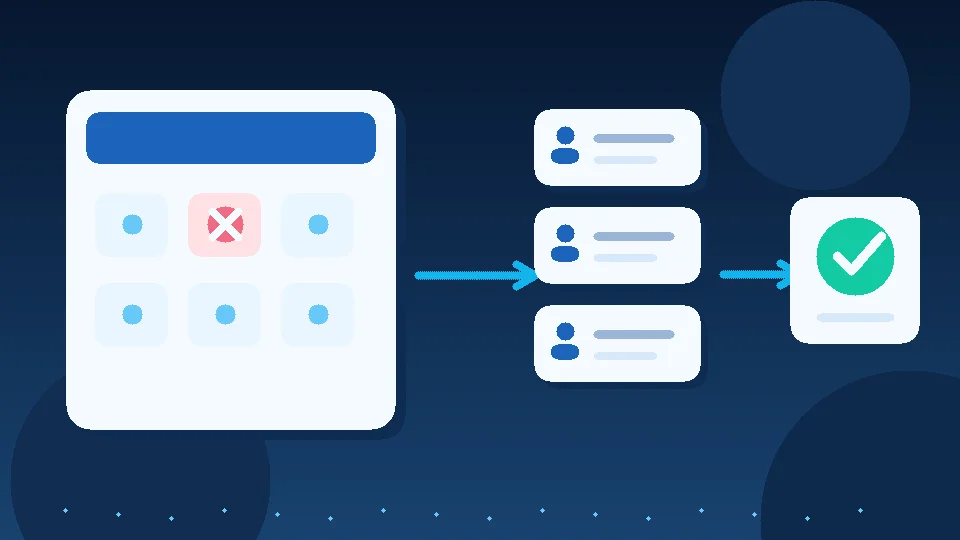
A complaint can receive an instant acknowledgement and then sit unresolved for days. Your first-response metric looks healthy, while the customer has no owner, update or next step. Separate the first-response target, the next-update commitment and the resolution target.
A service level agreement, or SLA, defines the service commitments your team can actually operate. You do not need to publish a rigid promise on day one. Start with an internal rule, measure adherence and only make external commitments you can support.
One inbox, different levels of urgency
Consider two WhatsApp conversations arriving together. One buyer has paid for an order that has not arrived. Another asks about a product color. Both deserve a reply, but the potential impact is different.
A small team can classify cases as urgent when there is imminent timing, financial or safety impact; important for delayed services or complaints needing coordination; and routine for requests that can be scheduled. This is an operational example, not a legal requirement or universal benchmark.
For every class, define an owner, first-response target, next-update time and escalation trigger. Never mark a complaint resolved simply because a message was sent.
The minimum escalation register
| Field | Why it matters |
|---|---|
| Case reference | Remains stable when the agent changes |
| Priority and reason | Explains why the case comes first |
| Owner | One accountable person for the next action |
| Last verified update | What the customer has actually been told |
| Next review time | When the team will check again |
| Delay reason | Waiting for logistics, finance or approval |
| Escalation path | Who takes over when the target is missed |
| Closure evidence | What confirms the issue is actually resolved |
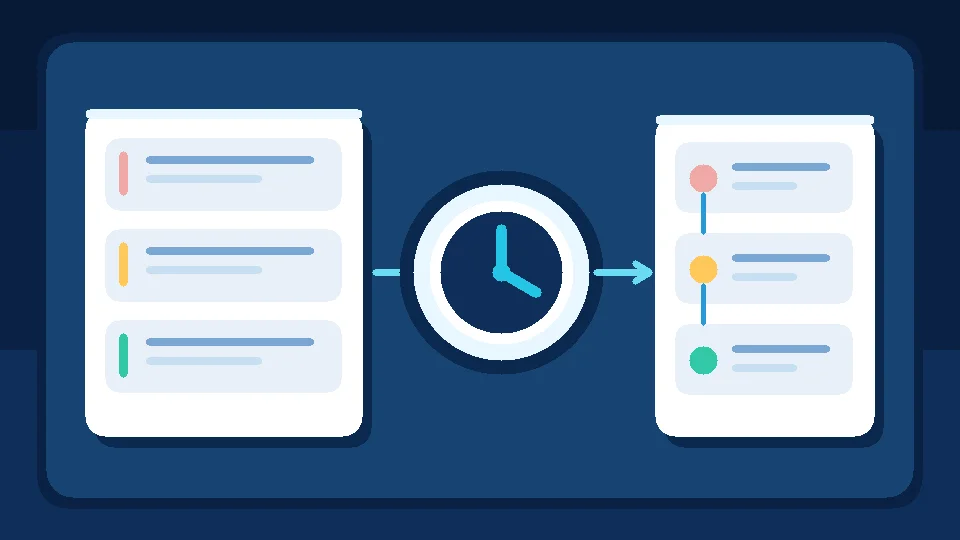
Define whether your service clock runs during business hours or continuously. Otherwise the same case can look on time to one team and overdue to another.
Escalate the work, not the noise
At the end of each shift, review cases approaching or exceeding their targets. Assign overdue work to a named person with a clear handover note, not a vague group message. If another department owns the fix, someone still needs to own customer communication.
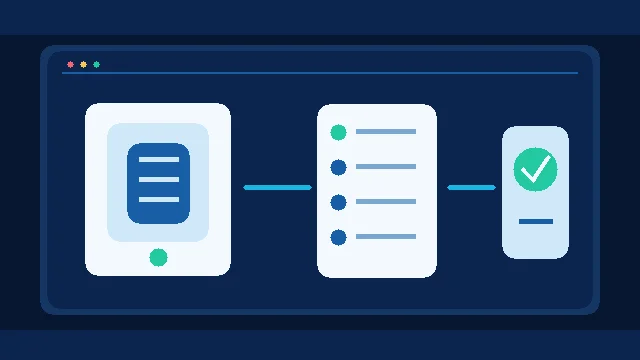
A useful update states what is confirmed, what is still being checked and when the next update is due. Avoid promising a final resolution date without reliable evidence.
Imagine a customer asking about a refund. Support verifies the order reference and routes the issue to finance. The next customer update remains scheduled even when the actual refund date is not yet confirmed. This is an illustrative workflow, not a Mr. AI customer result.
Measure what the customer experiences
Track the share of open cases with a named owner, the share of updates delivered on time, and the time to resolve closed complaints. Also show the age distribution of open cases so difficult cases do not disappear behind a flattering average.
ISO 10002:2018 provides global guidance on complaints handling and continuous improvement. It does not prescribe a universal response-time target for every company, and it is not an Egypt-specific performance study.
Mr. AI's role and the boundary
The current Mr. AI FAQ describes company-knowledge replies, conversation summaries, follow-up and human handover. That does not establish a dedicated SLA timer or automatic timed escalation engine as a verified product feature. Test any such requirement explicitly or maintain an external operations register.
If you need the intake process first, read the WhatsApp complaint-resolution workflow. For multi-shift teams, see the shift-handover guide.
Try this for one week: select ten open complaints, assign an owner and next-update time to each, then review every missed target. Was the delay caused by unclear ownership, missing information or an unrealistic promise? You can try Mr. AI for reply and follow-up workflows while keeping escalation decisions under human control.
Reference: ISO 10002:2018, published July 2018 and confirmed current in 2023. Global guidance, not Egyptian benchmark data.