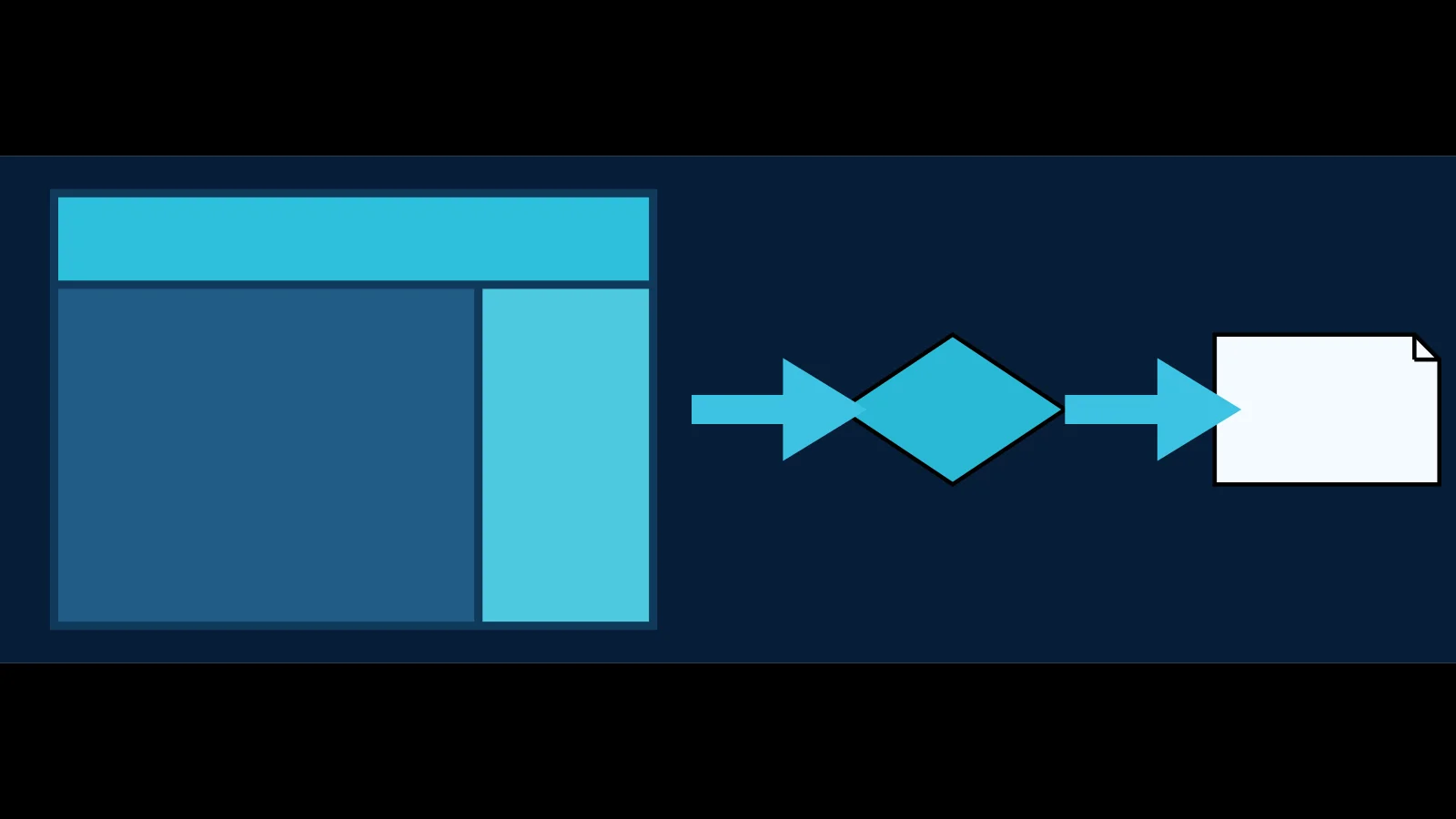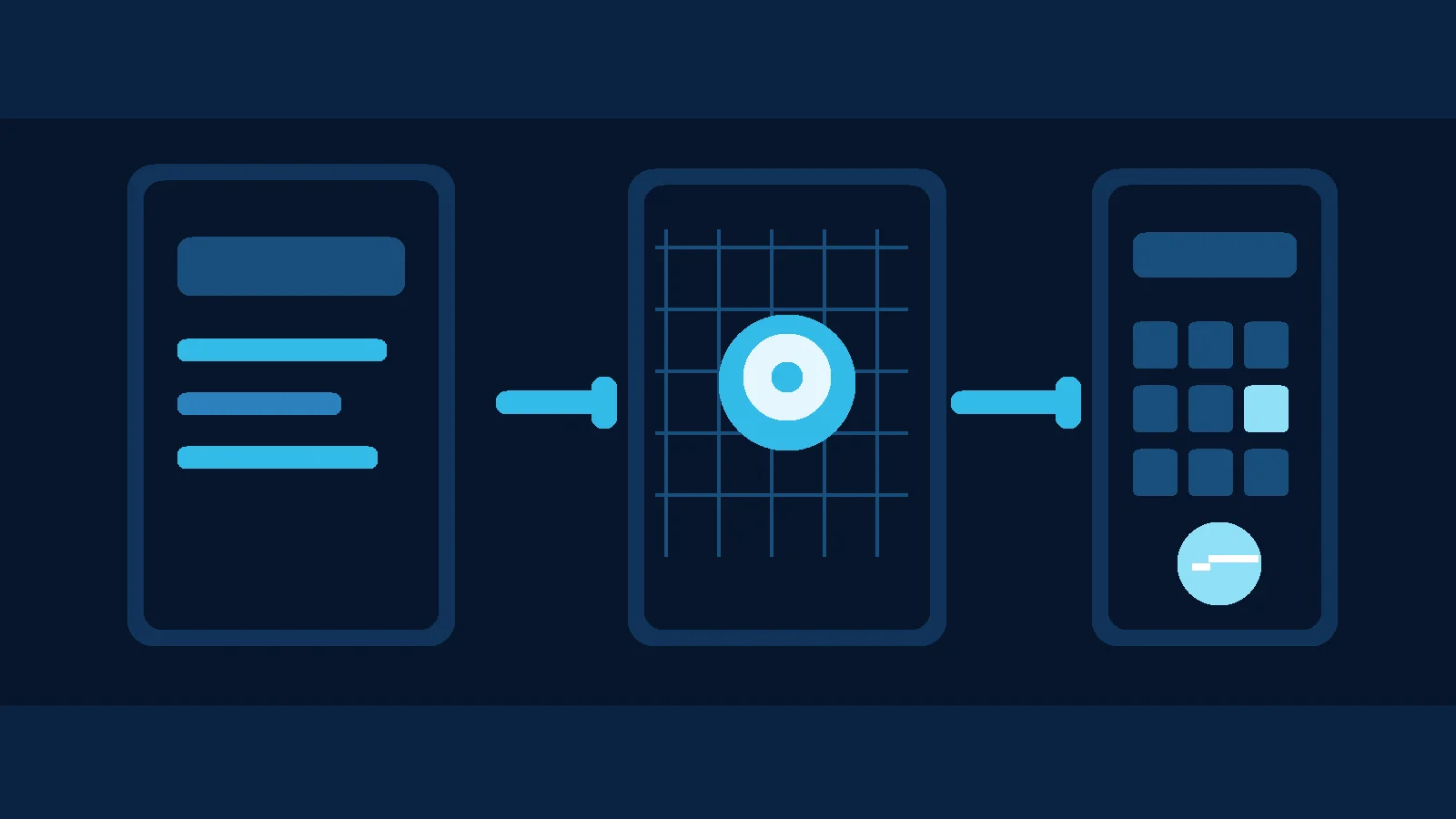
“Can you send a technician tomorrow?” is a service visit request, not a confirmed booking. Between that message and an on-site visit, the business must check service coverage, diagnosis needs, staff availability and any inspection fees.
Separate an inquiry, a visit request and a booking
“Do you repair this equipment?” is an inquiry. “Can someone inspect it at our office?” is a visit request. A confirmed appointment requires reviewed location details, service scope, timing and disclosed charges, followed by approval from the responsible team member. Saying “booked” too early creates a commitment the team may not be able to meet.
Consider an office maintenance provider receiving “the AC stopped working.” That alone cannot determine the technician, spare parts or final repair price. A few relevant questions may change the response: what model is affected, where is it installed, and does the description suggest an urgent safety issue requiring appropriate immediate guidance? This is a hypothetical operational example, not a Mr. AI customer case.
Collect enough information without over-collecting
Record the contact, service type, the customer's own description, the area or address genuinely needed for the visit, a preferred time window and a contact method. Avoid requesting precise location data or unrelated personal details until they are necessary.
If the problem is unclear, mark it “requires diagnosis” rather than guessing a repair price or required parts. An inspection fee and a repair quote are different commitments.
Microsoft's standard field-service scheduling guidance identifies job duration, location, date range and promised arrival window as important scheduling inputs. This is a general workflow reference, not evidence that Mr. AI provides technician scheduling.
Three states the team can actually manage
Waiting for details: A request exists but lacks information needed to assign the right resource. Ask only for the missing decision-critical detail.
Pending approval: The details are complete, but availability, timing or fees are not approved. Tell the customer you are checking, not that a technician is already on the way.
Visit confirmed: An authorized person has approved the slot and informed the customer about arrival expectations, inspection charges and rescheduling conditions. Subsequent changes need a clear update.
Keep operational decisions with the team
A messaging assistant can gather context, answer from published company knowledge and help track the next action. It should not invent technician availability, guarantee an arrival time or quote a repair from insufficient information. Those decisions belong to your scheduling process and authorized staff.
For geographically distributed teams, see our guide to routing WhatsApp inquiries across branches. If requests reach the wrong expertise, review specialist-based B2B routing.
What to review after two weeks
Track requests with sufficient details, bookings confirmed by an authorized person, reschedules caused by missing information and premature confirmation messages. These are suggested operational measures, not claimed customer results.
According to the current Mr. AI FAQ, the platform supports knowledge-based replies, follow-up, conversation summaries and human takeover. We are not claiming native technician dispatch, route optimization or workforce scheduling. Review ten anonymized service requests, then book a demo to assess where conversation management fits and where a separate field-service system remains necessary.