A buyer approves a quotation and then sends a WhatsApp message: “Can we add more units and bring delivery forward?” A quick “Sure” may create a problem for sales, finance and fulfillment. The practical rule is to document any change to price, quantity or delivery date and obtain approval of the revised terms before promising execution.
An approved quote is not blanket approval for later changes
Consider a supplier serving a restaurant group. The original quote covers a fixed quantity delivered in two batches. The purchasing contact asks for more units in chat. Sales sees a small request, the warehouse sees a capacity constraint, and finance sees a different order value. The issue is no longer response speed. It is that each team may be acting on a different version of the agreement.
Keep three states separate: a question about a possible change, a requested change under review, and an approved revision ready for fulfillment. A short “okay” in a chat is not sufficient evidence of approval unless the revised scope and version are clear.
Record the delta, not another ambiguous conversation
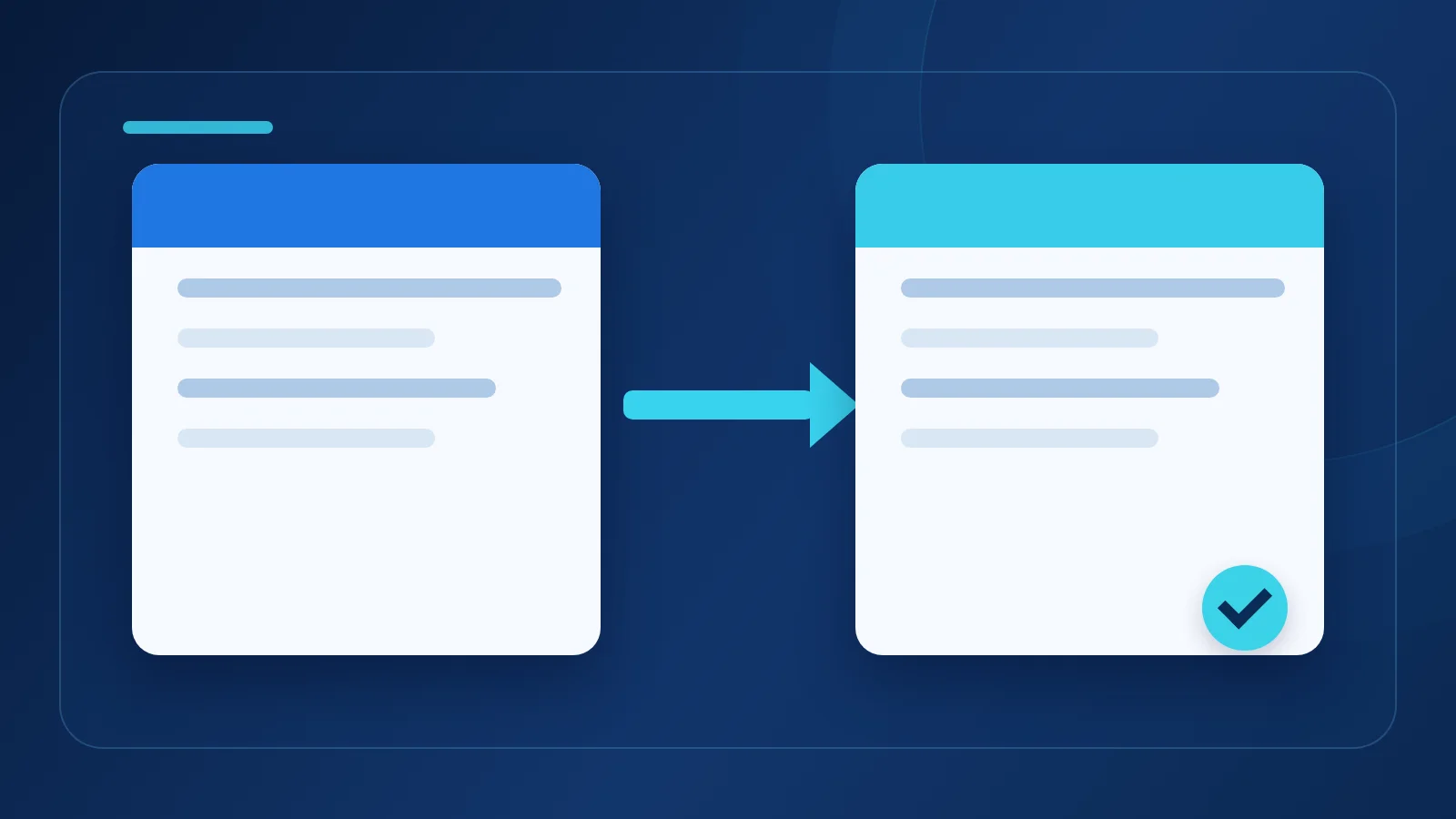
Keep the quote or purchase-order reference, previous version, requested difference, impact on price, taxes, stock and delivery, buyer-side approver, and internal reviewer in one record. If only one line changes, explicitly show what stays the same. That is easier to verify than circulating another attachment with no version history.
For example: “Revision two adds ten units and changes only the second delivery date. The final amount remains subject to finance review.” This is a hypothetical example, not a customer case or evidence that the change has been accepted.
Microsoft's guidance on changes to confirmed purchase orders explains how a changed order can affect downstream production, service and sales commitments. It is an enterprise software example, not an Egypt-specific legal requirement, and it does not imply Mr. AI includes a procurement system.
A useful reply does not promise what has not been checked
Instead of “We have updated your order,” try: “We have your request to increase the quantity and move delivery forward. Our team will check availability and cost, then send the revised terms for your confirmation before proceeding.” If the request came by phone, summarize the requested changes in writing and confirm the details through an agreed channel.
Give the buyer a time for the next update, not an invented final delivery commitment. Where goods have already shipped, distinguish the portion that can still be changed from the portion already executed. A purchase order is not necessarily fully reversible once fulfillment has started.
Audit ten recent revisions
Review ten B2B opportunities where the quote changed after approval. Could you find the active version in under a minute? Did the buyer explicitly accept the revised price and delivery date? Did sales, finance and operations work from the same record? Track changes waiting without an owner, time to a reviewed response, and fulfillment against outdated terms. Do not attribute improvements to a tool without a meaningful baseline.
This differs from managing multiple approvers for a quotation: here the agreement itself changes after approval. For first-time quote intake, see the B2B quotation workflow.
Where Mr. AI fits
Mr. AI supports company-knowledge replies, follow-up and conversation summaries across WhatsApp, Messenger and website chat. It is not presented here as an ERP purchase-order editor, price approver or automated delivery scheduler. A person still owns the commercial approval. Document three real revision cases, then try Mr. AI to assess whether clearer context and follow-up help your team.