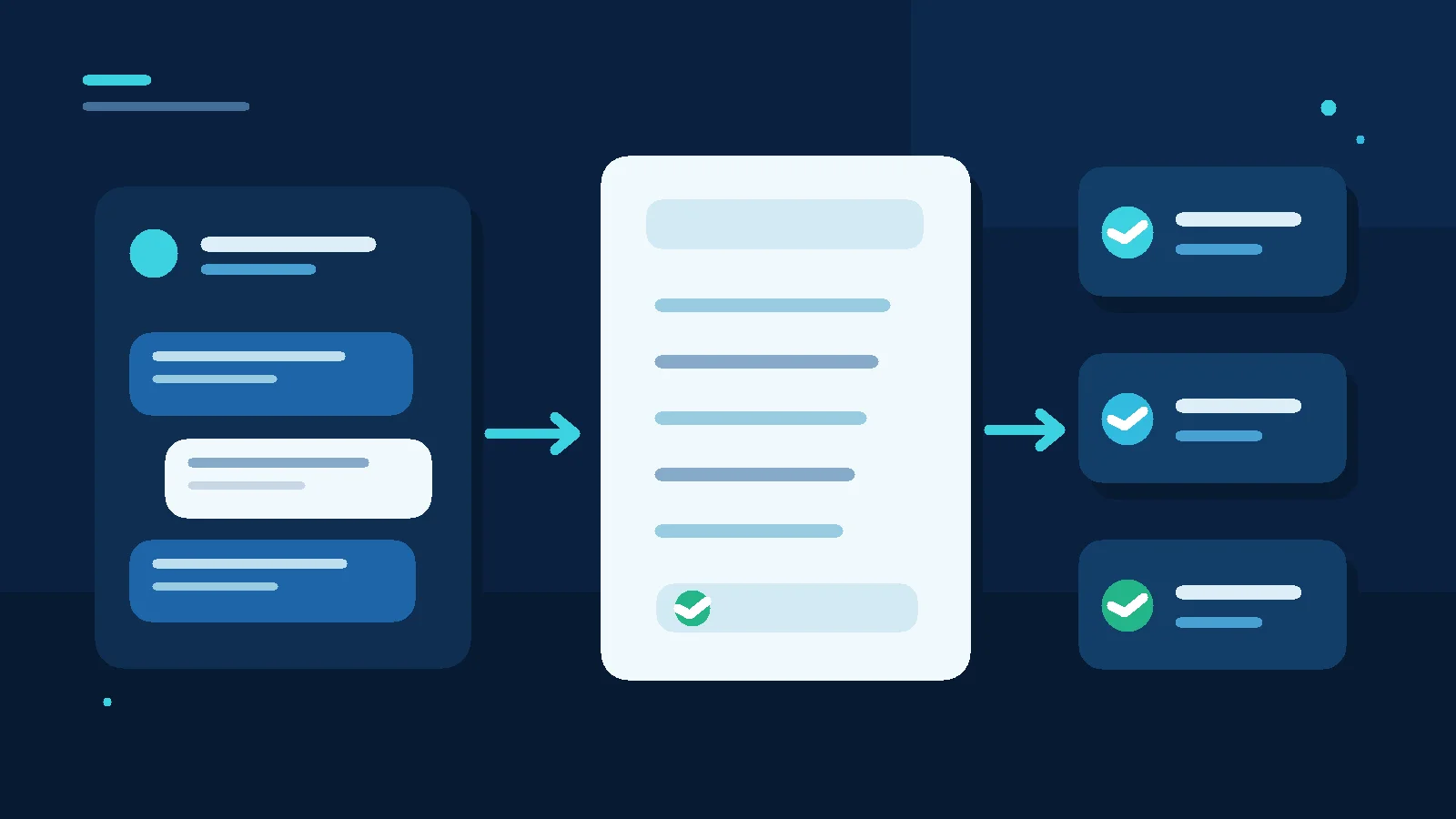
A B2B buyer asks for a quote, responds positively, and then goes quiet. Sales assumes the customer is deciding. In reality, procurement is waiting for operations, and finance has not reviewed the payment terms. More reminders will not solve an unclear approval chain.
Treat the sent quotation as an open decision, not a completed task
For purchases involving several stakeholders, keep one record showing the current proposal version, each outstanding approval, the question blocking it and the next review date. The person messaging your team may not have authority to approve discounts, delivery commitments or payment conditions.
This guide starts where our B2B quotation workflow ends: the proposal has been sent, but the buying committee has not reached a decision.
Why a generic follow-up misses the point
Consider a company evaluating a service for six branches. The commercial contact likes the offer. Operations wants an implementation plan, while finance wants payment timing and total commitment. Asking "Have you decided yet?" gives none of them what they need.
A better question is: "Is there a specific section that operations or finance still needs to approve? We can prepare a short clarification for the relevant reviewer." That is a useful follow-up rather than pressure.
Build a minimal approval register
Track the quote ID, current version and date, main contact, required reviewers, unresolved question and next action. Use meaningful states such as "finance review pending", "scope revision requested" or "approved commercially, purchase order pending".
Avoid treating "looks good" as a signed deal. Verbal support, commercial approval, contract signature, purchase order and payment are different events. Each can require a different owner.
One source of truth, different explanations
Operations may need delivery scope, responsibilities and exclusions. Finance may need the payment schedule, total commitment and validity period. Leadership may want the risks and business case. Keep the underlying facts consistent while tailoring the explanation to the stakeholder.
A fictional example: "The current quote includes the delivery scope and payment conditions. Would a separate one-page operations clarification help the reviewer before your decision meeting?" This is a suggested script, not a real Mr. AI customer message.
Where automation should stop
Discount exceptions, contractual changes and unapproved implementation dates require authorized human review. An AI assistant can help summarize prior questions and suggest the next action, but should not become the commercial approval authority. When a detail is unverified, state that it is under review.
WhatsApp's Business Platform features describe business messaging and interactive replies. They do not establish that a particular vendor automatically provides quotation approval workflows.
Measure approval friction, not message volume
Review how many quotes are stalled at each approval step, how long they remain there, and how many have a named owner and next action. Separate "not yet decided" from "lost" to avoid misleading sales reports. Our lost-deal analysis guide covers that distinction.
Start with ten open proposals. If your team cannot identify the next decision maker and the unresolved question for each one, fix the record before sending more follow-ups.
Where Mr. AI fits
Mr. AI supports replies grounded in company knowledge, conversation summaries, follow-up and human handoff across WhatsApp, Messenger and website chat. It is not presented here as an automated discount approver, contract-signing tool or purchase-order system. You can try the customer experience or book a demo to review your inquiry and follow-up process.