A buyer requesting a quote on WhatsApp does not just need a fast reply. They need confidence that you understood the scope, that the price is based on clear assumptions, and that somebody owns the next step. Without those basics, a sales inbox can accumulate sent proposals with no reliable view of what happens next.
The short answer: manage a quote pipeline, not a PDF folder
For a small B2B team, start with one record per request: company, scope, quantity or service coverage, expected timing, owner, current quote version, sent date and next action. This is an operational recommendation, not a claim that every messaging tool includes a native quotation system.
A message saying “send prices” may not be enough to price a service whose cost depends on volume or contract length. But making the prospect complete a long questionnaire is not the answer either. Give the information you already have, then ask the one question that genuinely changes the quote.
Separate a pricing question from a formal quotation
Imagine a maintenance provider serving retail chains. A buyer asks for a monthly price. First explain the components that affect pricing, then ask about branch count or service coverage. If the buyer needs a formal proposal, clarify who will receive it and when a decision is expected.
Not every price inquiry is a qualified opportunity. See our guide to qualifying leads from conversations for a practical distinction.
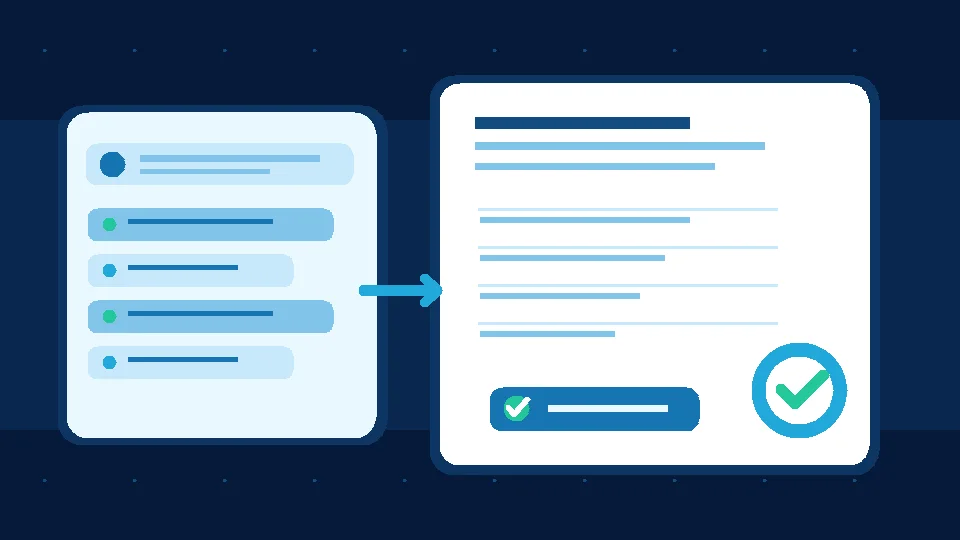
Five stages that make quote requests manageable
Waiting for details: a specific scope input is missing. Record the missing question rather than leaving the thread unowned.
Preparing the quote: scope is sufficiently clear and a named person is responsible. Tell the buyer when to expect an update, without making an unrealistic promise.
Quote sent: retain the approved version, validity period and key assumptions. When scope changes, issue a new version rather than silently replacing an old file.
Decision pending: follow up on a concrete question. Is the coverage right? Does procurement need a different format? Avoid generic reminders with no purpose.
Decision recorded: accepted, declined, postponed or not a fit. Capture the reason when available so the next quote can improve.
Two useful messages
After scoping: “Based on the branch count you shared, we will prepare a proposal covering service scope, delivery timing and exclusions. Is there a target date for your decision?”
When sending: “Attached is the current proposal. Its main assumptions are the locations covered and the visit schedule. If either changes, we will revise the pricing before approval. Would a short review call help?”
These are hypothetical operational examples, not customer messages or measured outcomes from Mr. AI.
Ownership matters more than automation
In many B2B teams, sales receives the request, operations confirms delivery feasibility, and a manager approves discounts. Distinguish the conversation owner from the commercial approver. Automation may help with recurring answers, context capture and follow-up, but financial approvals and exceptions should remain under human control.
An automatically generated response must never become an unapproved commercial commitment.
Metrics worth reviewing each week
Track the share of requests with complete scoping details, proposals sent by the agreed date, proposals with a recorded next action, and proposals that reached a known decision. A sent proposal is not a sale, and a closed deal cannot automatically be attributed to a messaging tool.
If you test a new process, compare before and after samples while accounting for deal size, buyer type and seasonality.
Where Mr. AI fits
Mr. AI's currently published product information confirms support for WhatsApp, Messenger and website chat, plus company-knowledge replies, follow-up, conversation summaries, next-step tracking and human takeover. We are not claiming that it automatically creates quotation PDFs, approves prices or versions contracts.
Use those verified capabilities to preserve context between inquiry and follow-up, alongside the quote approval process your business already trusts. For more, see following up without pressure.
Your next step
Review ten recent quotation requests. Can you identify the approved version, the next-action owner and why each request has not reached a decision? If not, fix that visibility before adding a complex tool.
Book a demo to discuss your conversation workflow, or try Mr. AI with your business questions.
Reference: WhatsApp's official guidance on organizing lists and quick replies recommends organizing conversations around context and next actions. It is general guidance, not an Egyptian performance benchmark.