A business buyer sends a photo on WhatsApp: “Can you make this in our size? How much would it cost?” If sales treats that picture as an ordinary catalog SKU, the company can end up promising a price and delivery date for something nobody has assessed. A custom-product inquiry is a legitimate sales opportunity, but it is not an approved quote or a production commitment.
Classify the request before pricing it
The buyer may want an existing item in another color, an approved catalog variant, or an entirely new specification. Those requests have different cost, lead-time and feasibility implications.
A useful distinction is between an existing SKU, an approved variant and an item that is outside the standard catalog. Microsoft's documentation on adding products to quotes describes both catalog items and quote-specific write-in products. That is a software workflow example, not proof that any custom request can be manufactured or priced automatically.
The minimum information for a feasibility review
Ask what the item will be used for, the required dimensions or specifications, estimated quantity, target delivery date, and any drawing or reference file. A photo alone may not establish material, tolerances or packaging requirements. If a technical review needs more detail, explain exactly what is missing.
But do not force the buyer through a long questionnaire before checking whether the business offers customization at all. The first internal question is whether this type of request falls within the company's approved service scope. An early, clear no is better than weeks of vague follow-up.
Feasibility is different from approval
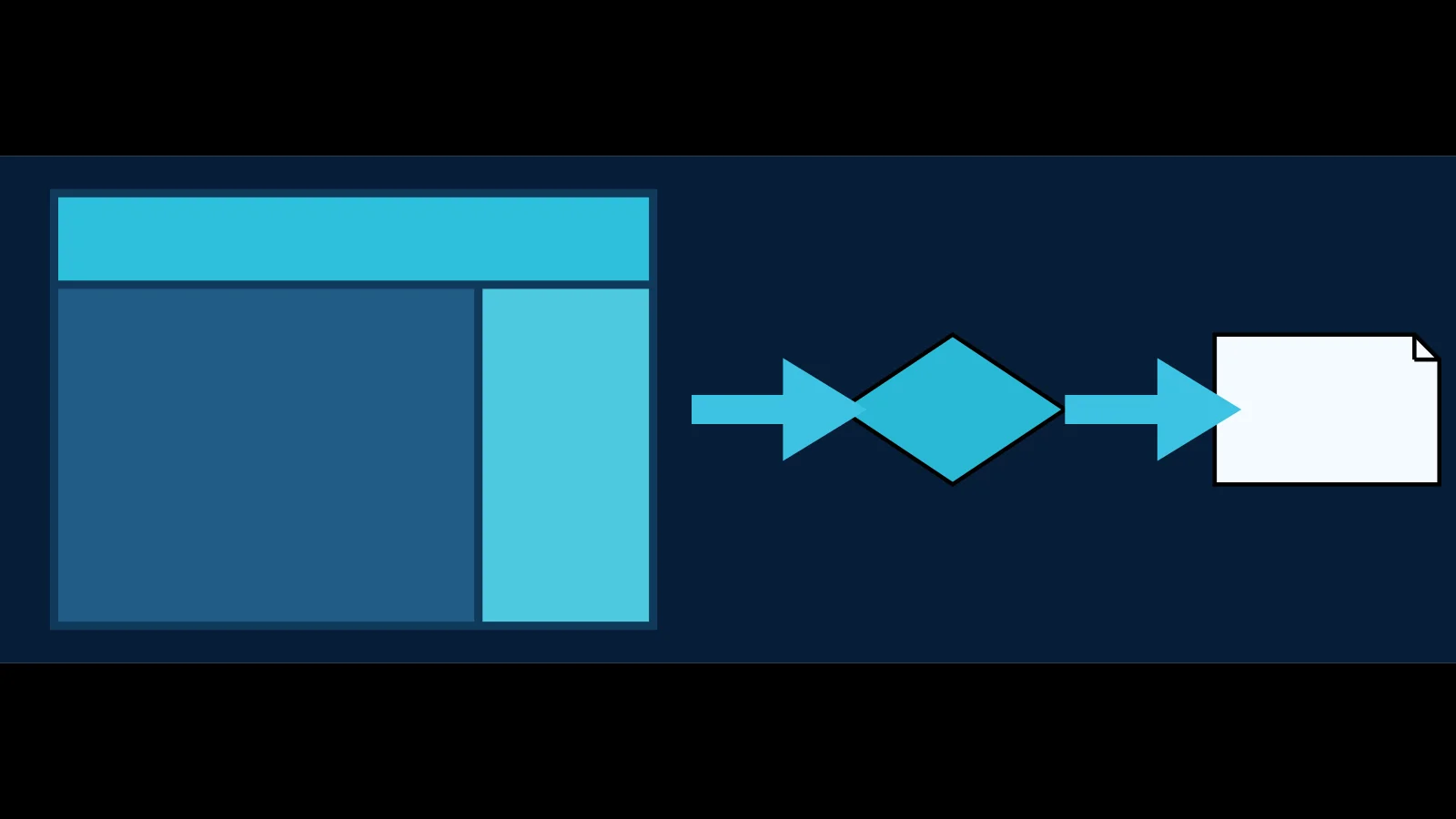
At request received, the business has captured an initial requirement. During technical review, the relevant specialist checks design, materials, quantities and limitations. During cost and lead-time review, the team determines pricing, minimum order quantities, setup charges and any sampling requirement. Only after quote approval should sales present a firm offer with validity and conditions.
“We can probably do it” is not a binding technical assessment. If setup costs, minimum volumes or quality sign-off matter, those conditions belong in the approved quote, not in a surprise after payment.
An illustrative custom packaging request
A restaurant buyer sends a photo of a container and asks for its logo to be printed on a different size. Sales clarifies dimensions, material, quantity and target date, then checks whether printing and customization are supported. The production team or approved supplier reviews feasibility. If the requested size is not viable, the business should not send a speculative price suggesting otherwise.
A better first response is: “We can review whether this specification is feasible. Please share the dimensions, quantity and target date, plus any drawing or artwork. Our team will check feasibility and cost before confirming price or delivery.” This is a hypothetical example, not a customer testimonial.
When should you suggest a catalog alternative?
If the custom specification is too expensive or impossible, offer a real alternative only after explaining the differences that matter to the buyer. The goal is fit, not an automatic upsell. If the buyer requires the original specification, record it as a product-development request or an out-of-scope opportunity rather than a confirmed order.
For document-heavy inquiries, see handling RFQ PDF attachments on WhatsApp. Once the specification is approved, follow the separate B2B quotation workflow.
Measure feasibility, not just inquiry volume
Track the share of custom requests within your operating capabilities, technical review time, rejection reasons, approved quotes and requotes caused by changed specifications. More inquiries do not automatically mean better contribution margin. Custom work can consume more production and sales effort than a standard order.
How Mr. AI fits
Mr. AI can gather request details from a conversation, reply from approved company knowledge, summarize the requirements, follow up and hand the case to a human specialist. It should not be described as independently calculating custom manufacturing cost, approving technical feasibility or authorizing a price. Those decisions belong to the business's responsible teams and systems.
Respect customer permission and the WhatsApp Business Messaging Policy for subsequent outreach. Review five anonymized custom-product chats, identify which missing facts delayed assessment, and test a better intake conversation.