A business buyer has paid a deposit for a custom-made product, then messages your sales team: "Stop the order and return the money." Neither an instant refund promise nor an automatic refusal is a safe first response. Log the cancellation request, pause any new commitments that can reasonably be paused, and confirm the production stage and agreed terms before an authorized person decides what happens next.
This is not the same question as whether manufacturing should start before a deposit is received. Payment has already been made, and materials may have been ordered or work started. Treating the message as a generic policy question can destroy important context.
Three different situations behind one short message
Before materials are purchased: The buyer approved the drawing and paid, but work has not begun. Stopping the order may be operationally possible. That does not, by itself, determine whether the deposit is refundable. The agreement still matters.
After special materials are ordered: The supplier may have committed to purchases that cannot simply be reversed. Sales needs verified input from Procurement and Finance before offering a settlement.
After production begins: Some work may already be complete. Recording a cancellation request in the inbox does not mean the factory has canceled everything. Operations must confirm what can actually be stopped.
These are illustrative business scenarios, not universal rules of Egyptian law.
Capture the facts while the conversation is fresh
Record the quotation or purchase order reference, contracting legal entity, approved specification version, deposit amount and verification date, the exact cancellation request and its timestamp, the last confirmed production stage, and the cancellation and change terms agreed by both parties.
If the buyer claims the delivered or manufactured product does not match specifications, that may be a different dispute from simply changing their mind. Preserve the reason and supporting documents instead of categorizing every request as voluntary cancellation.
Our custom-order deposit guide explains why technical approval, payment verification and production authorization should be separate decisions.
A WhatsApp reply is not a finance authorization
A useful acknowledgement is: "We have received your request to stop order (...). Our operations and finance teams will check the current status and the agreed terms. We will confirm the next step after that review. We cannot confirm a refund amount or date yet."
If your team can place a temporary hold on further purchases, do so through the approved internal process and record who authorized it. Do not promise that a supplier or factory outside your control has already stopped.
Microsoft's customer-order documentation illustrates that cancellation can depend on order status, applicable cancellation charges and deposit settlement. In some states, cancellation is unavailable. This is documentation for a global software workflow, not an interpretation of Egyptian refund law. Contracts and local legal or accounting requirements need qualified review where relevant.
Separate communication from the decision
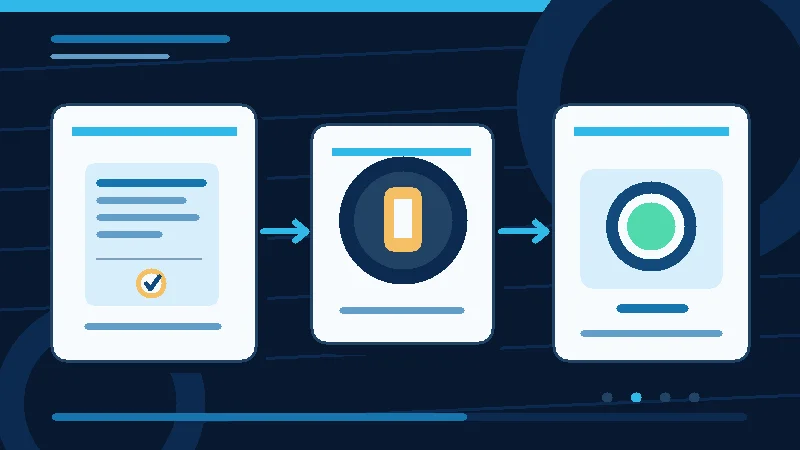
Use a status such as "cancellation requested, under review," not "canceled" at the moment the message arrives. Operations verifies the production stage and documented costs. Finance checks the deposit and potential settlement. The authorized commercial or legal owner approves the final response.
Give the buyer a realistic next-update commitment even when the decision remains open. If the payment screenshot and bank records disagree, follow the payment verification process.
What an AI assistant can and cannot do
Mr. AI can support responses based on approved company knowledge, collect missing details, manage follow-up under configured rules and hand the conversation to staff with context. It does not independently decide refund eligibility, stop a production line or transfer funds.
If your sales team handles custom manufacturing changes and cancellations through WhatsApp, test a conversation workflow with anonymized real scenarios and explicit escalation boundaries.