A wholesale buyer approves a made-to-order product and says, "Start production. I'll transfer the deposit tomorrow." Is that a confirmed production order? Not if your agreed process requires a verified deposit before committing materials or capacity. Separate technical approval, commercial approval and authorization to start work.
Not every B2B order needs a deposit. The decision depends on material exposure, whether the goods can be resold, customer history and the supplier's approved policy.
Where a promising deal turns into an operational loss
Imagine a supplier in Egypt receiving an order for 200 units with custom dimensions. Sales has agreed a price, but the buyer has not signed off the final drawing and Finance has not recorded a payment. Production reserves materials after seeing a WhatsApp message saying "approved." Two days later the buyer changes the dimensions.
The buyer may have acted in good faith. The failure was treating one informal approval as three different decisions: approval of specifications, acceptance of commercial terms, and permission to begin manufacturing.
Four separate checks before production
Technical specification: Record the version of the drawing or description, quantity, sizes, finish, acceptance criteria and approving contact. A change after sign-off should create a new version.
Commercial offer: Confirm total price, currency, validity, relevant taxes and freight, and the proposed delivery schedule. Production capacity still needs confirmation before a delivery date becomes a firm promise.
Deposit terms: Is a deposit required? What amount or percentage, due date, and cancellation or change terms were actually approved? Do not invent a nonrefundable clause because it seems commercially convenient.
Finance confirmation: A payment screenshot is evidence to investigate, not confirmation that funds have cleared. Use a separate verification step, as described in our payment proof guide.
Make the order status explicit
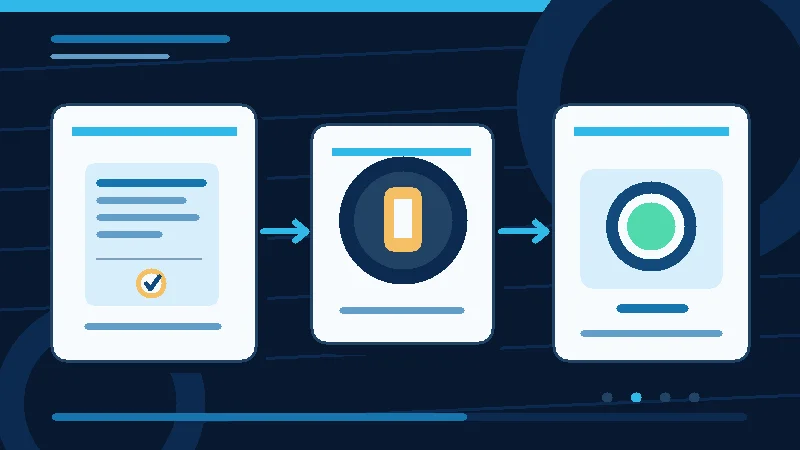
A useful workflow is: specifications under review, quotation awaiting approval, deposit pending, deposit received and verified, and production authorized. The final state should not follow automatically from a forwarded receipt.
For illustration, suppose a supplier's signed quotation requires a 30% deposit. That number is hypothetical, not a Mr. AI policy or an Egyptian statutory rate. The approved document, not this example, determines the actual obligation.
Microsoft's customer prepayment invoicing documentation distinguishes prepayment invoices, receipt of funds and application of the payment to the final invoice. It describes one global software workflow. Egyptian tax treatment and invoicing documents should be reviewed with a local accountant.
What should Sales say on WhatsApp?
When specifications are approved but the deposit is still unverified, the next message should be clear: "We have reviewed the specifications and quotation. Production will be authorized after Finance confirms receipt of the agreed deposit. We'll update you once that check is complete."
Avoid "Your order is in production" until the condition has been met. If the buyer requests a specification change after payment, record the proposed change and review its effect on cost, schedule and the deposit before agreeing to new terms.
When to hand the conversation to a person
Escalate a mismatch between the receipt and the bank record, a request to start urgently before payment, a change to approved specifications, or a dispute about cancellation and refund terms. The handoff should include the quotation ID, specification version, required deposit, verification status and last written commitment.
Mr. AI can help teams respond using company knowledge, follow up under configured rules and hand a conversation to staff with its context. It does not replace Finance authorization or a production order system. If custom-order enquiries start on WhatsApp, book a demo to review the customer communication and handoff workflow.