A customer sends a transfer screenshot and says, "Paid, please ship." The image may help your team locate a transaction. It is not sufficient on its own to prove that the funds arrived and were matched to the correct order. A fast reply should never become an unverified financial confirmation.
Receipt received is not payment confirmed
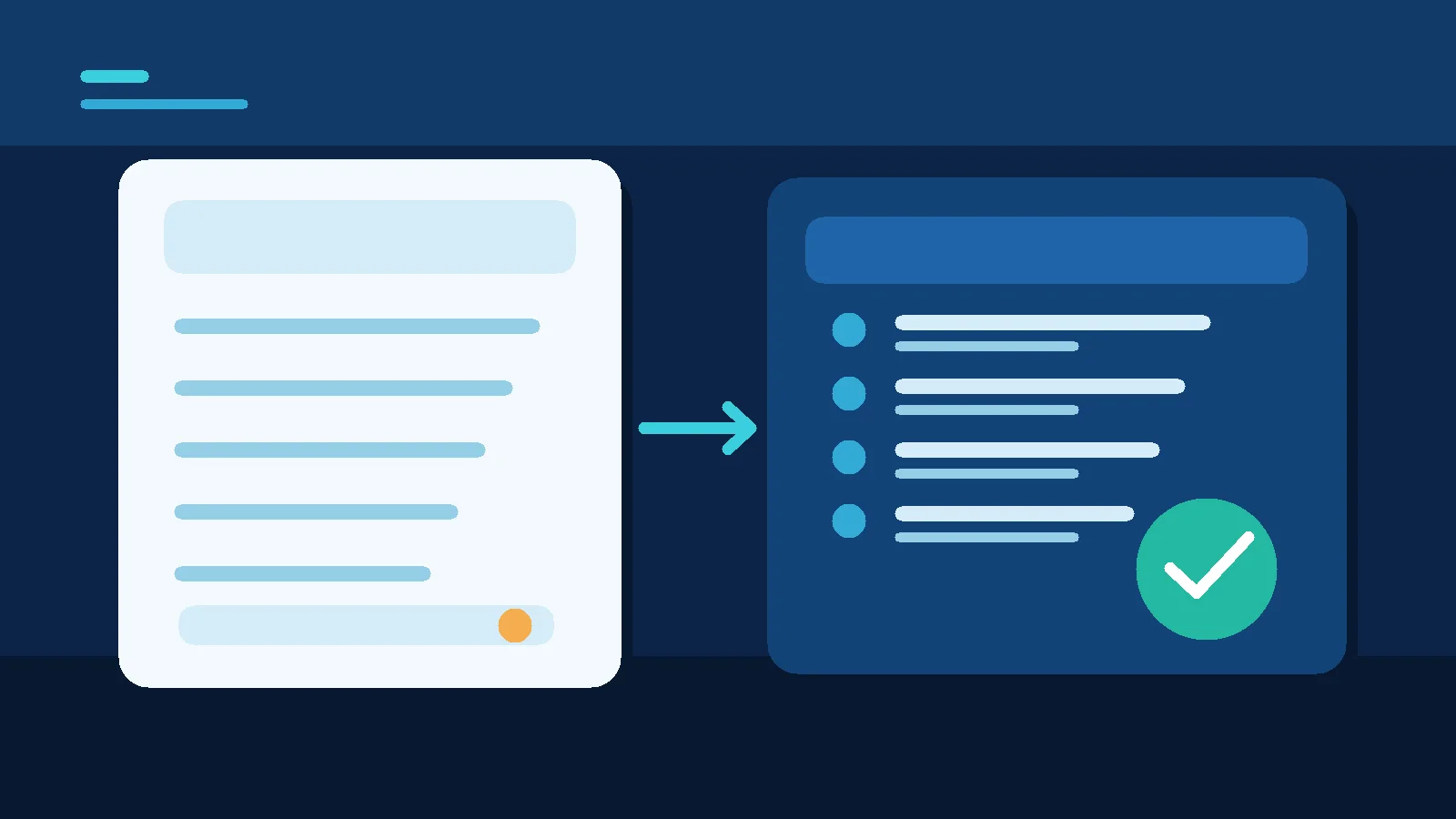
For sales conversations on WhatsApp, the first status should be "payment document received for review." Final confirmation must come from an authorized financial source, such as your bank transaction record or payment provider dashboard, after matching the amount, reference and order.
This differs from our guide to installment and payment-term questions. That article covers information before a transaction; this one addresses evidence after a customer claims to have paid.
What should your team collect?
Start with the order ID, expected amount, payment method, approximate time and transaction reference when available. Do not ask customers to share passwords, one-time codes or complete payment card details. Restrict access to sensitive documents to the staff who genuinely need them, in line with your company's policy and applicable law.
WhatsApp's Business Messaging Policy, updated September 23, 2026, warns against requesting or sharing complete sensitive card, account and identity numbers through messages and requires businesses to protect customer information.
Three states make the workflow clearer
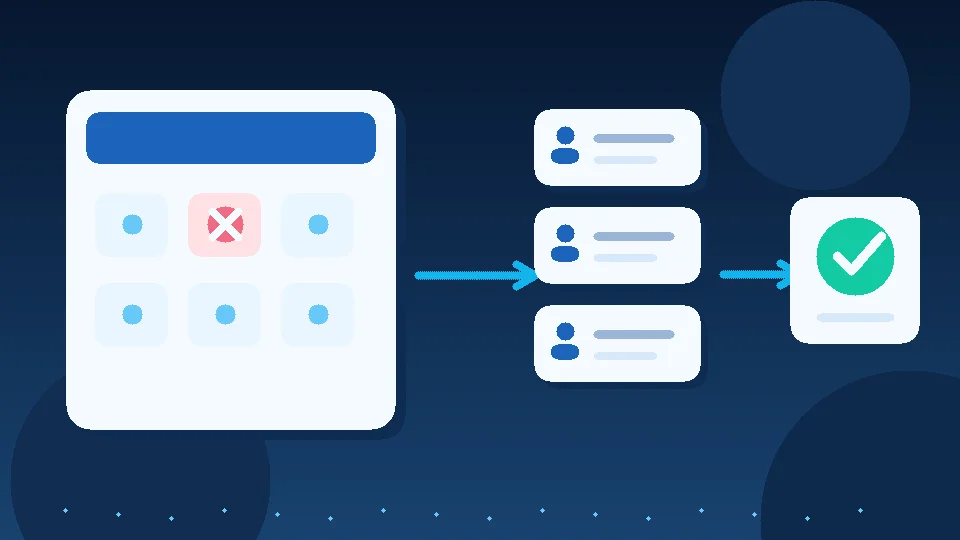
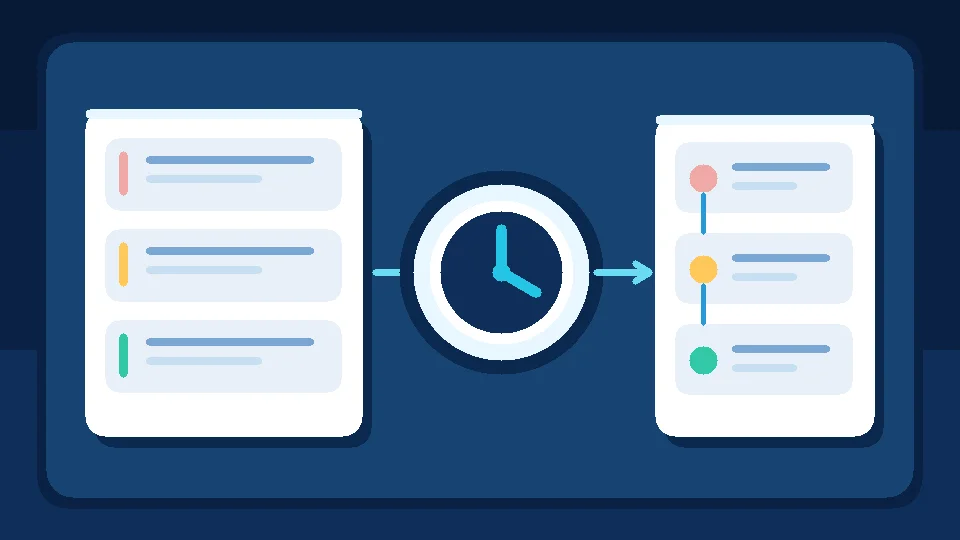
Pending verification: The screenshot arrived, but the finance system has not confirmed a match. Reply: "We've received the document and will check the payment with our finance team before confirming the order."
Matched: The reference, amount and receiving account match an entry in the authorized financial record. Only then should the order move to paid status under your company's procedure.
Discrepancy: The amount differs, the reference is duplicated or the beneficiary is unexpected. Do not accuse the customer or confirm payment. Explain that a discrepancy needs review and escalate to finance.
A fictional example: a customer buys equipment and sends a bank transfer screenshot. Customer support acknowledges the document, while finance checks the account before shipping is released. This illustrates separation of duties, not a native Mr. AI payment feature.
Why screenshots cannot be your source of truth
An image can be old, belong to another order or be misleading. The US Federal Trade Commission's advice for online sellers, published in July 2022, warns about payment and verification scams. It is US consumer guidance, not evidence of fraud rates in Egypt. The operational lesson is to check the payment source before releasing goods.
If your payment provider offers reliable transaction status or webhooks, integrate them into the finance workflow with testing for duplicate events and errors. Do not treat message text or an image's appearance as settlement confirmation.
Invoices and customer information
Egypt's Consumer Protection Agency advises consumers to keep sales invoices and warranty documents. That does not justify sending invoices containing another person's details to an unverified chat participant. Verify the requester's entitlement to order information and keep an audit trail of who confirmed payment and when.
Measure errors, not screenshots
Track pending verifications, time to match transactions, repeated references and orders released before payment confirmation. If the queue is slow, improve the verification process rather than asking support agents to say "paid" sooner.
Where Mr. AI fits
Mr. AI can assist with approved company information, conversation context, summaries and human handoff. We do not present it as a bank reconciliation tool, payment settlement system or image forgery detector. Finance and the payment system remain responsible for confirmation. Try the customer experience or book a demo to review safe automation boundaries.