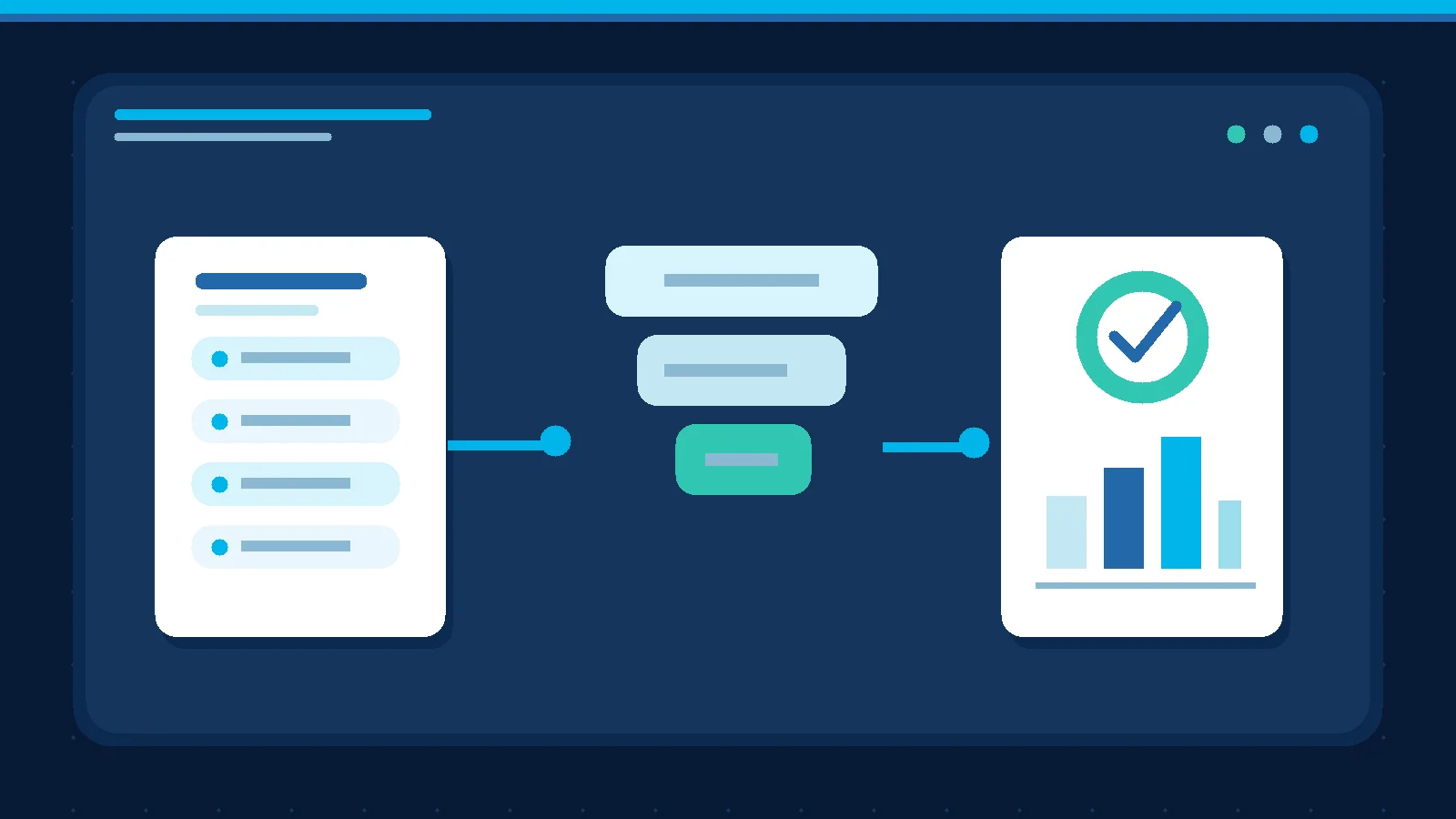
An ad generates 200 WhatsApp conversations, yet your sales team can seriously pursue only 12 of them. A cheap cost per conversation will not tell you whether that campaign is working. Cost per qualified lead, using a definition shared by marketing and sales, is a better diagnostic. Those numbers are illustrative, not customer data or a Mr. AI result.
Marketing may count every incoming message while sales excludes job seekers, duplicate threads and requests for services the business does not sell. Both teams can be looking at correct counts but drawing incompatible conclusions.
Define the stages before reporting them
A new conversation is an initial contact and may contain no commercial intent. A lead is an identifiable business inquiry that can be followed up. A qualified lead meets agreed criteria, such as service fit, location, real buying need and a sensible next step. A paying customer is a closed, verified sale.
An instant AI reply does not qualify a lead on its own. Nor does a message saying “interested.” For an Egyptian B2B supplier, qualification might include company type, requested scope, the contact's role and approximate purchase timing. For a training provider, course fit and cohort timing may matter more. Do not impose a mandatory budget question where buyers reasonably do not know the answer yet.
Google Ads guidance distinguishes leads qualified after initial contact from converted leads that reach a defined outcome. Google Analytics recommended events include generate_lead, qualify_lead and close_convert_lead. These are measurement concepts, not evidence that WhatsApp automatically reports all of those events to Analytics.
Calculate the metric on a consistent cohort
Cost per qualified lead = attributable acquisition spend ÷ qualified leads attributable to that spend within the measurement cohort.
Consider a hypothetical campaign spending EGP 6,000. It creates 120 new conversations, 30 contactable leads and 15 qualified leads. Cost per conversation is EGP 50. Cost per qualified lead is EGP 400. Neither number proves that the campaign is profitable or that any qualified lead will close.
Customer acquisition cost requires closed customers and a broader cost definition. Depending on your accounting policy, that may include allocated sales labor, tools and other acquisition expenses. Compare it with contribution margin and the sales cycle, not gross revenue alone.
Where the number goes wrong
The most common distortions are counting repeat conversations as new leads, treating every automated response as a fresh lead, attributing an old opportunity to the latest ad click, measuring one campaign before its leads have had time to qualify, and quietly changing the qualification standard between campaigns.
A workable ledger includes campaign identifier, first-contact date, privacy-safe lead identifier, source confidence, qualification status, rejection reason, owner, decision date and sales outcome. Measure a consistent cohort, such as all leads first contacted in one calendar month, and allow an appropriate follow-up period.
When source attribution is missing, record Unknown rather than inventing it. Our WhatsApp lead-source guide covers attribution, while the Click-to-WhatsApp funnel guide covers the wider campaign journey. This article focuses on the cost of reaching an agreed qualification threshold.
How Mr. AI fits
The current product description lists knowledge-based replies, follow-up, conversation summaries and insight reports. Those can support a team's review of lead quality. They do not by themselves establish automatic campaign-ID matching or a complete CAC attribution system. Verify what your account can export and join campaign and sales records from their original systems.
Start with two weeks of actual conversations and one shared qualification definition. If messages are cheap but most requests are a poor fit, revisit targeting and ad promises before increasing spend. You can book a walkthrough to examine how conversation handling and human follow-up could be measured.