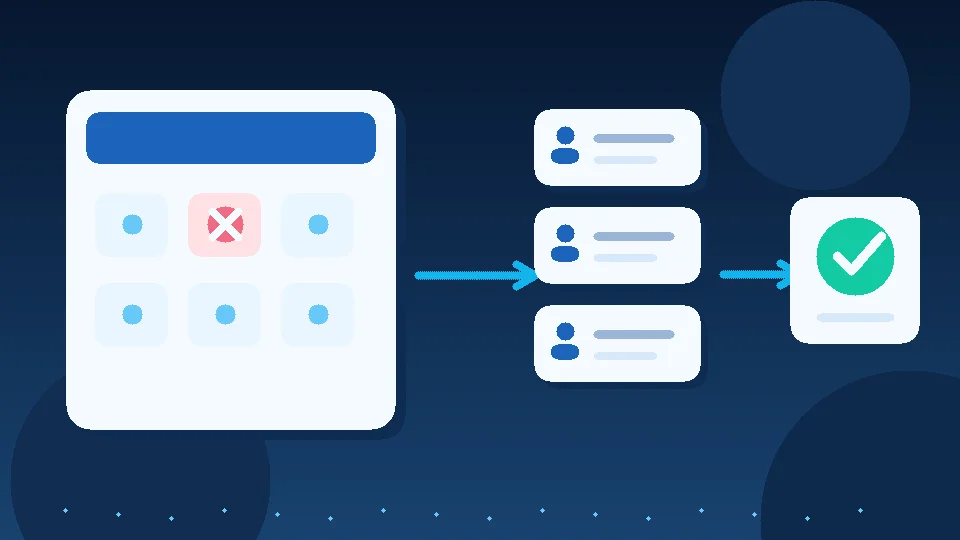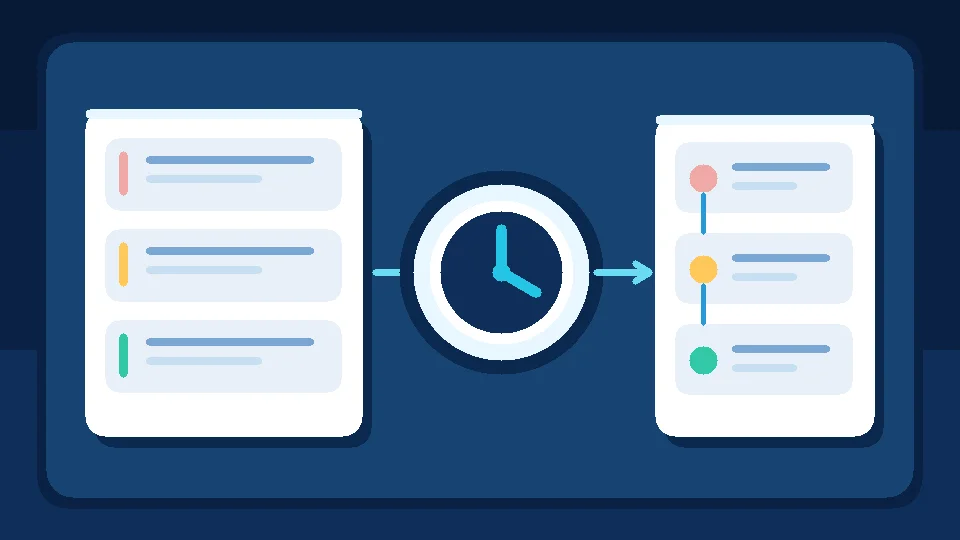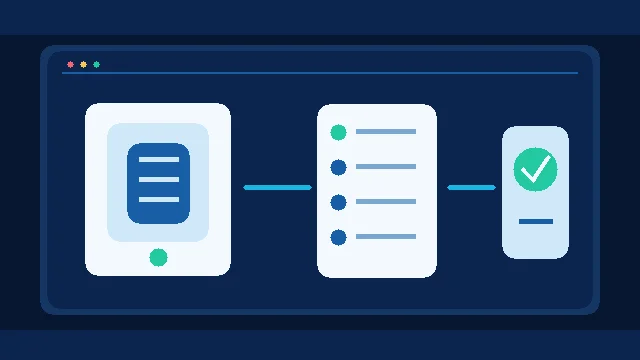
When a customer messages “My device failed and it is still under warranty,” the right first response is not “Send it in and we will see.” Create a traceable service case, then verify coverage, ownership and the next step. The customer should know whether a case exists or whether the issue is still just an unanswered chat.
Intake is not a warranty decision
Frontline staff can collect the essential facts and explain an approved process. They should not automatically declare that a fault is covered or excluded before the relevant inspection and documented terms are reviewed. Nor should they instruct customers to ship a device before confirming the appropriate service center and handover procedure.
Egypt's Consumer Protection Agency advises buyers to retain invoices and warranty certificates and review after-sales obligations. That is general Egyptian guidance, not a substitute for checking the law and facts applicable to a particular product and claim.
The first message should create a usable record
Ask for the minimum necessary information: product type or model, a short description of the problem, an order or invoice reference if available, and an approximate purchase date. If a serial number is required, explain its purpose. Avoid collecting identity documents or sensitive financial information merely to open a support case.
A useful response would be: “I can help register the inspection request. Please share the device model, the issue and the invoice reference if you have it. We will confirm the service route after review, but cannot confirm warranty coverage before verification.” It is clear without promising a replacement.
Four stages worth separating
Case received: Record when the inquiry arrived and assign a reference or other reliable tracking method.
Initial verification: Review the necessary documents and decide whether the customer needs a service-center visit, a shipment or a technical call.
Inspection and decision: Assign the case to an authorized person or team. Record the result, the reason and the next update time. Do not let an automated reply issue an unsupported technical or legal determination.
Documented closure: Do not close a case when somebody merely says “escalated.” Close it when the customer has been informed of a meaningful outcome or the agreed action has actually finished.
An illustrative Egyptian retail case
A customer in Giza reports that a recently purchased printer has stopped working. The frontline team records the model, invoice and symptoms, then directs the case to the authorized service route. Following inspection, the team communicates the actual finding and available options. If a part is needed, the owner provides a realistic update date rather than promising a next-day repair without confirmation. This is a hypothetical example, not a verified Mr. AI customer story.
Keep warranty cases separate from returns
A warranty inquiry might end in inspection, repair or another outcome depending on the facts. A return request follows a different process. If both are recorded simply as “complaint,” management cannot tell whether delays arise during inspection, decision-making or execution. Our returns and exchanges guide and complaint resolution workflow cover those adjacent but distinct stages.
What Mr. AI can support
The current Mr. AI FAQ confirms replies based on company knowledge, conversation summaries, follow-up and human handoff. We do not claim automatic warranty verification, service-center integration or refund approval. Test the documented policy answers and leave inspection and coverage decisions with authorized staff.
If repair requests are getting lost in the inbox, review ten anonymized cases to find where ownership disappears. Then try Mr. AI to assess the reply and follow-up portions of your workflow.
References: Egyptian Consumer Protection Agency, WhatsApp Business Platform features.