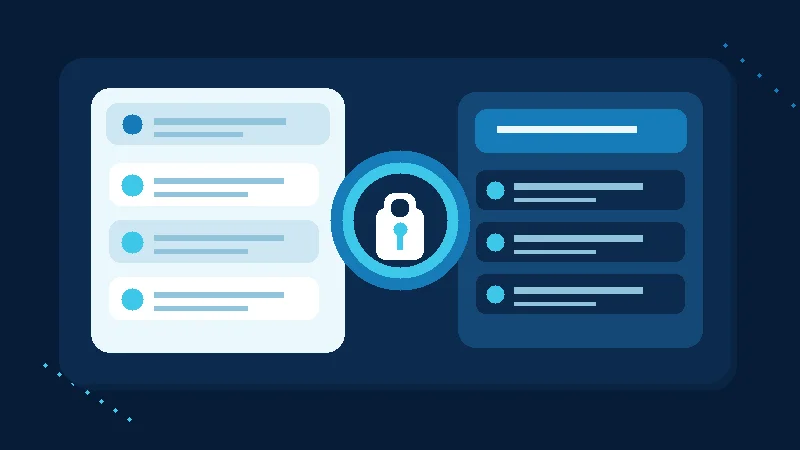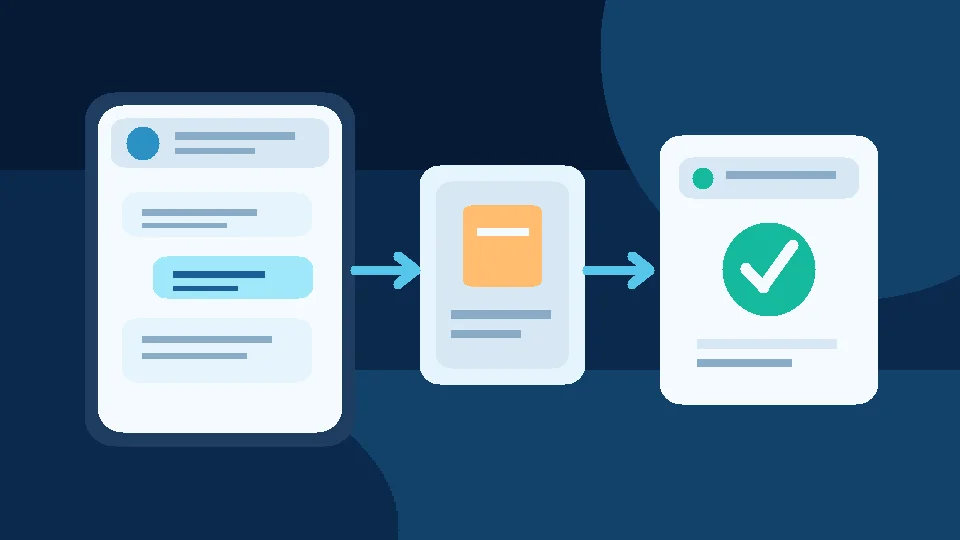
When a customer messages your store to request a return, the fastest acknowledgment is not the same as a resolved case. The request needs an order reference, a reason, a decision owner and a credible next update.
The practical answer: manage returns and exchanges as tracked cases, not chat threads that disappear after “we'll check with management.” AI can help collect information and explain an approved policy. Eligibility decisions, refunds and exceptions still require an authorized human.
Start with the customer's rights, not another store's policy
In Egypt, the Consumer Protection Agency's official guidance explains the general 14-day return or exchange right from receipt, subject to legal exceptions, and a 30-day framework for defective goods. The exceptions and facts of each case matter. Do not turn that into an unconditional promise that every product is returnable, or copy restrictive wording from a competitor's website.
This is operational information, not legal advice. Check the applicable law and obtain qualified guidance for disputed or exempt products. The Egyptian Consumer Protection Law No. 181 of 2018 is a useful primary legal reference.
What should the first reply collect?
Ask for the minimum needed to locate the order: an order number or a secure lookup method, the item, delivery date and whether the customer wants a return, an exchange or help with a defect. Request photographs only where they are relevant. Do not ask customers to send bank card details or identity documents into an ordinary chat just to open a case.
A suitable opening message is: “I can help register your request. Please share the order number and item, and tell us whether this is a defect or an exchange request. Our team will review the details and explain the next step.” This acknowledges the request without pre-approving it.
Six statuses that keep returns moving
1. New request
Record the arrival time, a case reference and the original order. If the same customer later messages on Messenger, check for a duplicate before opening another case.
2. Waiting for information
Specify exactly what is missing and who will ask for it. An open chat without a next action is not a workflow.
3. Under review
Assign a named owner in customer service or quality control. Review the approved policy, the consumer's rights and the actual product condition. Do not let a chatbot decide a disputed exception.
4. Decision recorded
Log the decision maker, the reasoning and what the customer was told. Provide a human review route if the customer contests the outcome.
5. Collection or refund in progress
Separate approval from pickup and from the money reaching the customer. Each stage needs evidence and a realistic update time. “Your refund has arrived” must not be sent merely because a transfer request was created.
6. Closed with confirmation
Close the case when the outcome is documented and communicated, not when an agent sends any reply. A pending payment should remain visible as pending.
Example: a clothing store in Cairo
A customer receives the wrong size and shares the order number and a photograph of the label. The team checks the original order and available stock, then authorizes an exchange and arranges the collection step. If the requested replacement is unavailable, a human explains the permitted options. The AI assistant should not invent stock availability or authorize compensation.
This is a hypothetical operating example, not a Mr. AI customer story or a performance claim.
Which measures actually help?
Review open return cases, unowned requests, time from intake to decision, overdue updates and reopened cases. Break down causes such as defects, size changes and shipping errors. A single average hides operational problems that require different fixes.
For broader escalation, see our WhatsApp complaint resolution workflow. For a different step before dispatch, see cash-on-delivery order confirmation.
Where Mr. AI fits
According to its current FAQ, Mr. AI helps teams respond using approved company knowledge, follow up, summarize conversations and hand cases to humans when judgment is required. That does not establish a complete returns-management system, automatic refunds or live courier integration. Verify any integration separately.
Start by reviewing ten past return cases after removing unnecessary personal data. Identify where ownership or updates broke down. Then try Mr. AI with your recurring questions or book a demo to assess the right scope for automation.
Sources: Egyptian Consumer Protection Agency, Consumer Protection Law No. 181 of 2018, WhatsApp Business Platform features.