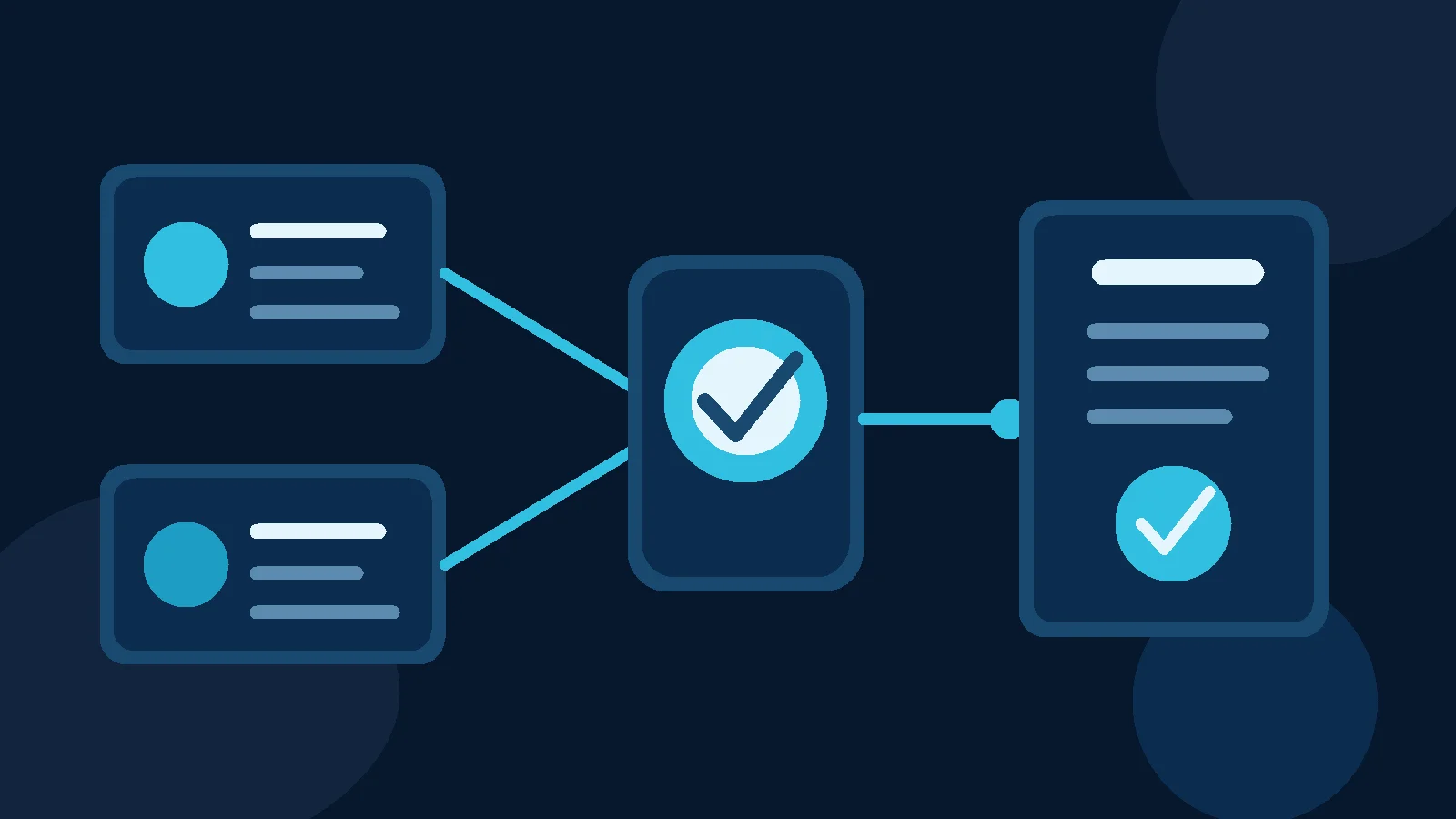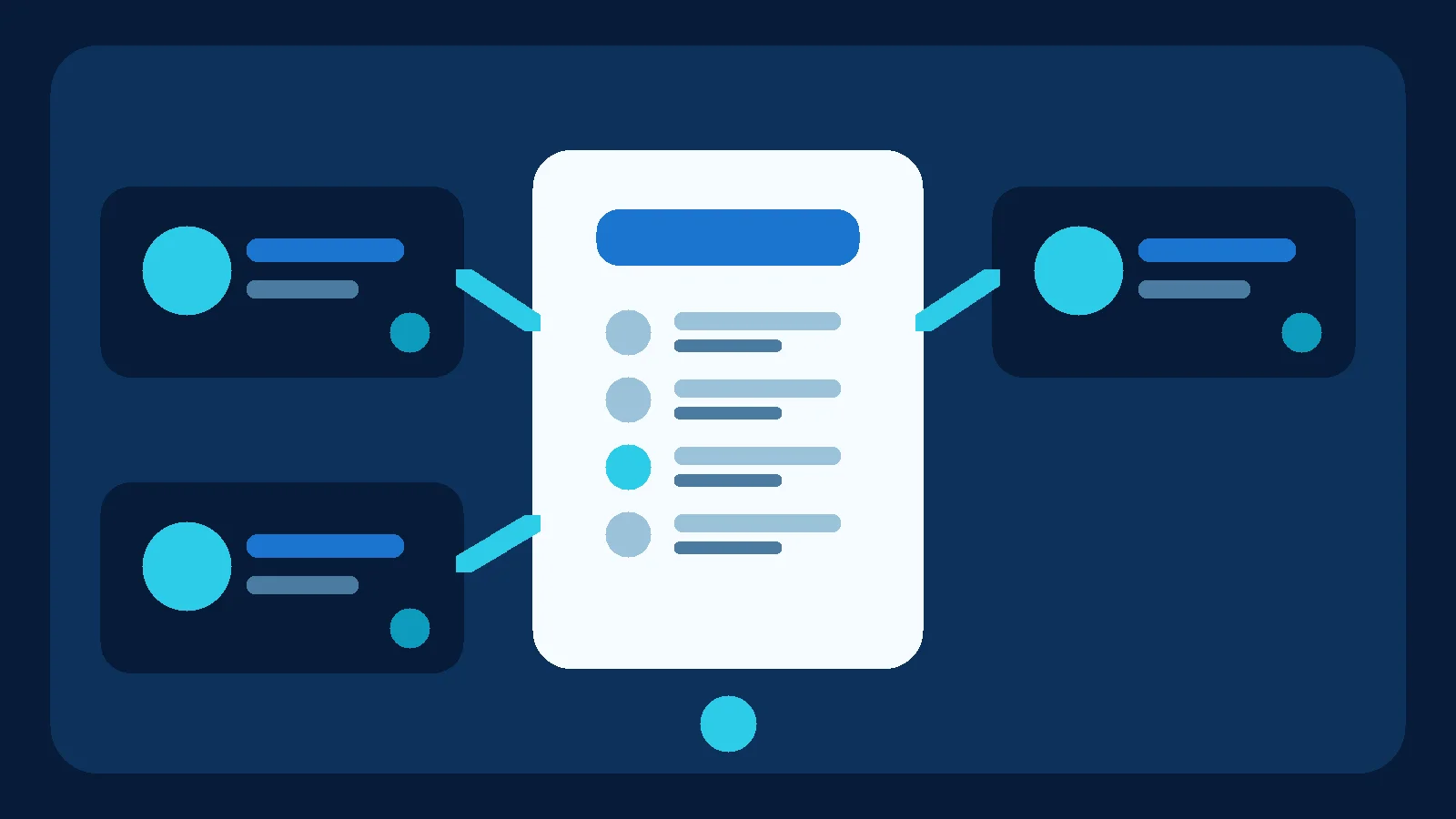
Four team members share a customer inbox. Does each person need access to every conversation and permission to change the AI's rules? No. A shared inbox may improve response coverage while introducing a separate operational risk: unclear authority over customer data and system configuration.
Design permissions around work, not job titles alone
Map the actual tasks first. A frontline agent answers routine questions. A sales owner reviews opportunities and quotations. A supervisor resolves exceptions and escalations. An administrator changes knowledge and workflow settings. Those roles should not automatically receive identical permissions.
This is different from getting several agents onto one WhatsApp number. The question here is access, review and accountability rather than devices or staffing capacity.
Apply least privilege as a practical rule
Least privilege means granting only the access required to perform an authorized task. NIST SP 800-171 Revision 3, published May 2024 describes restricting access by assigned duties and periodically reviewing privileges. This is a US technical reference used as operational guidance, not a claim that every Egyptian business is legally bound by that standard.
Imagine a retailer with a support team and a sales team. A frontline responder may not need to export the entire customer database. A delivery-status agent should not be able to change pricing information used by the AI. Equally, if a supervisor cannot take over an urgent complaint, the access design is obstructing service.
Create a one-page access matrix
List roles down the left and actions across the top: read conversations, reply, transfer cases, edit company knowledge, export customer data and manage users. Mark each intersection as allowed, approval required or not allowed. Compare the matrix against the actual software capabilities rather than marketing claims.
Keep conversation reading separate from changing automated reply rules. Price exceptions and policy changes should have a named approver. You can establish these controls as team procedures even when your current software lacks fine-grained permission settings.
An audit trail matters as much as access
If the AI's answer changes on Thursday, the team should be able to identify who changed the underlying information, what the previous version said and whether the update was reviewed. At minimum, record the owner, change type, timestamp, reason and approval when required. Do not assume every platform includes a detailed audit log. Ask and test.
When someone leaves the company, revoke access across all channels and connected tools, reassign open cases and review any shared credentials or integration keys. Changing one password is not a complete offboarding process.
A purchasing test you can run before signing
Create three test accounts: frontline agent, supervisor and administrator. From the frontline account, attempt to view an unrelated conversation and modify AI knowledge. Then test whether the supervisor can take over a case with appropriate context and whether the administrator can review changes. Record each outcome as supported, unsupported or requires integration.
Review active users, excessive privileges, blocked escalations and undocumented changes monthly. Success is not granting the most access; it is enabling service without unnecessary disclosure or modification.
Mr. AI and the verification boundary
The current Mr. AI FAQ confirms company-grounded replies, record review and human intervention. This article does not claim that a specific role matrix, detailed audit log or fine-grained permissions feature is available in Mr. AI. Verify those requirements directly during a trial. Book a demo with your access matrix so the evaluation tests your actual operational needs.