A cancellation is not permission to promise the same slot to everyone
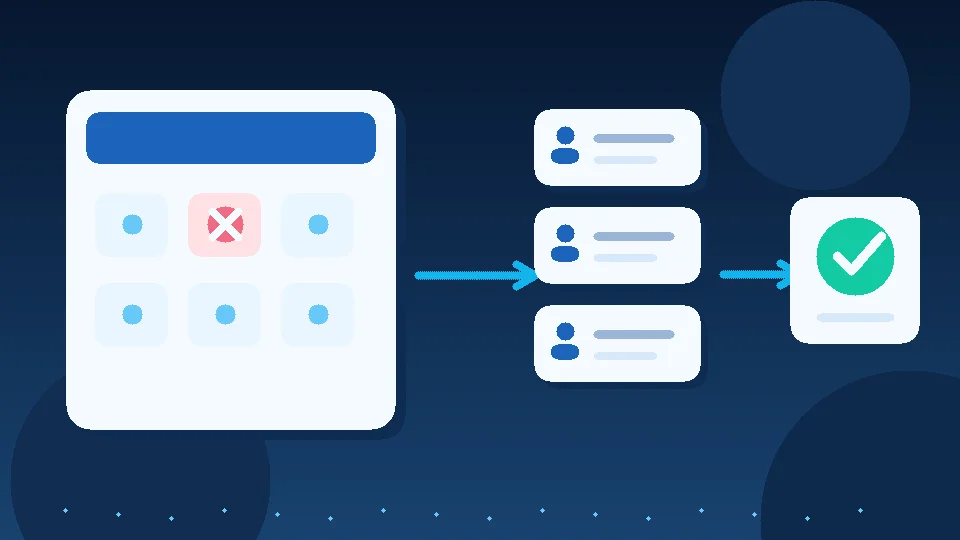
When a patient cancels an appointment, blasting the entire waiting list is rarely a sound scheduling process. Offer the newly available slot to a suitable person under a clear priority rule, set a response deadline, and confirm the booking only after checking the actual schedule. This protects patients from conflicting promises and helps reception teams keep control.
This is an operations guide to appointment waitlists, not medical triage advice. Urgent clinical priorities must be decided by qualified healthcare professionals, not by an AI agent or the order of incoming messages.
A waiting list is not a reminder list
A reminder goes to someone with an existing booking: "Your appointment is tomorrow. Can you attend?" A waiting list starts when someone wants an appointment but no suitable time is available. A cancellation creates an opportunity to offer that slot, subject to availability and the clinic's rules.
The US Agency for Healthcare Research and Quality guidance on appointment follow-up emphasizes confirming that appointments work for patients and helping them reschedule when they do not. This is general US guidance, not an Egypt-specific performance study and not evidence that WhatsApp alone reduces no-shows.
Keep requests separate from confirmed bookings
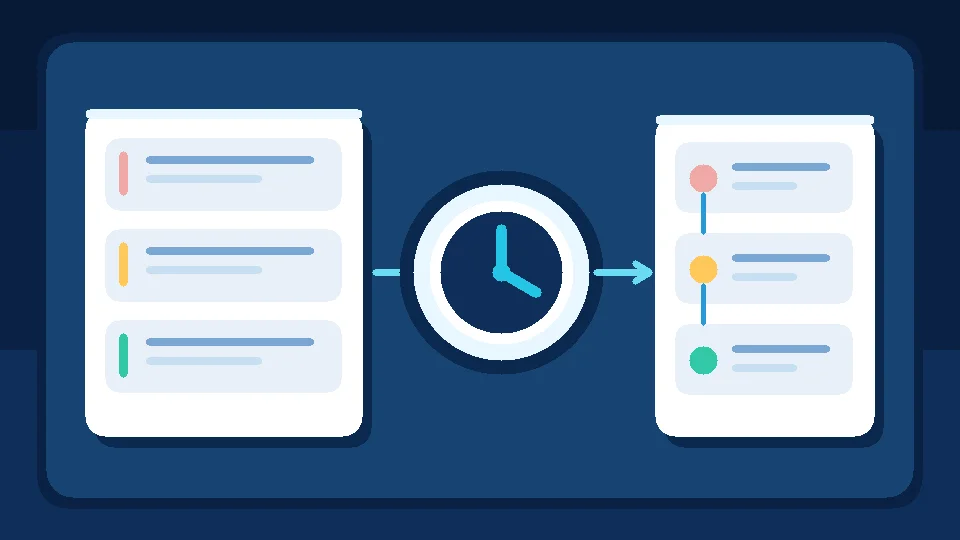
For each waitlist request, record a reference, service type without unnecessary medical detail, location, acceptable days and times, request date, preferred contact channel, messaging consent, and the staff owner. Keep request status separate from the clinical calendar: Waiting means no offer yet; Offered means a time has been proposed; Confirmed means the booking has been secured; Expired means the offer window ended.
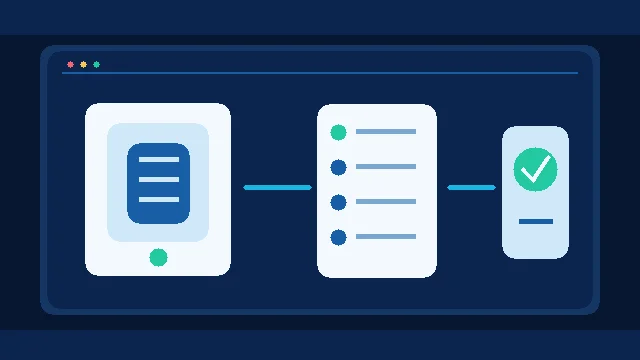
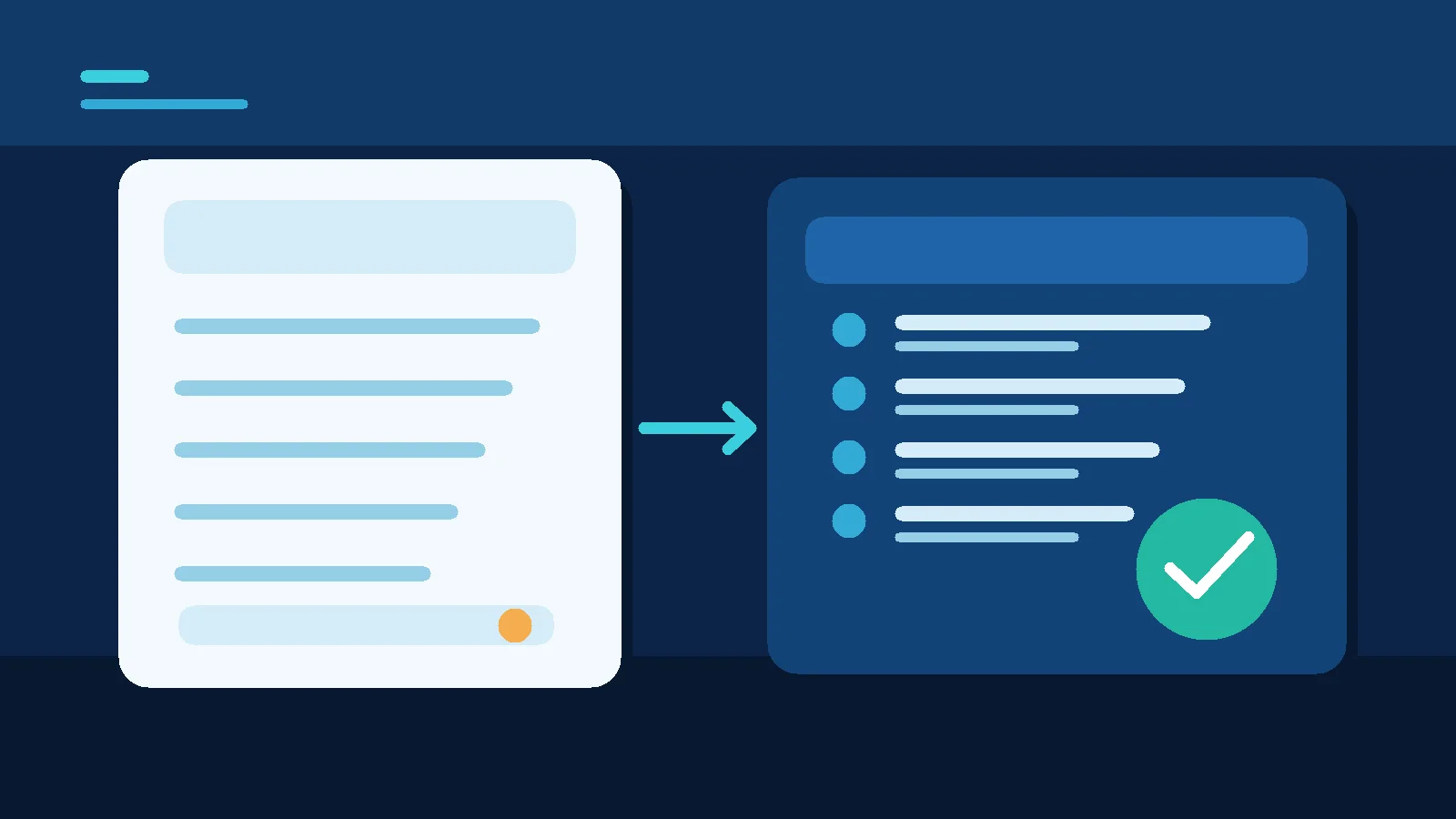
A sent message is not a confirmed booking. This distinction prevents a common reception failure: one patient believes the appointment is theirs while the scheduling system shows something else. Do not put diagnoses or sensitive medical information into an appointment offer.
A worked example: a slot opens on short notice
Imagine a clinic has a free Tuesday 5 PM slot. The time is illustrative, not a customer case. Reception first verifies the doctor, location, appointment length, and availability. Then it selects an eligible request using the clinic's documented rules and sends a specific offer:
"A time has opened at our branch on Tuesday at 5 PM. If you can attend, reply to confirm before 3 PM. Your appointment is only booked after our final confirmation message."
If no reply arrives by the deadline, the team marks the offer expired and moves to the next eligible person. A late reply triggers another availability check, not an automatic booking. Do not promise the same slot to multiple people without a mechanism that prevents double-booking.
Who decides priority?
Clinical urgency is not a marketing or automation decision. For routine nonurgent appointments, reception can use request order, time compatibility, branch preference, and a documented exceptions policy. Anything indicating a potentially urgent clinical need goes to a qualified clinician through a separate escalation path.
Do not reveal the list, other patients' positions, or reasons for visiting. Make opting out of proactive messages straightforward. Under the WhatsApp Business Messaging Policy updated September 23, 2026, businesses need appropriate opt-in and must honor opt-out requests. Outside the Platform's customer service window, an approved template may be required.
Measure reliability, not message volume
Track the time from a cancellation to the first offer, the share of offers answered before expiry, duplicate-booking incidents, and offers withdrawn after someone replied. More messages alone do not prove fewer missed appointments. Compare comparable periods and count confirmed appointments and actual attendance.
The most urgent operations error is a booking shown as "confirmed" in a chat but absent from the clinic's schedule. Reconcile those cases every day before a shift ends.
Where Mr. AI can help, and where it cannot be assumed to help
The current FAQ describes replies based on company knowledge, follow-up, summaries, and human handover. That does not establish a native clinic scheduling integration, a waitlist engine, or guaranteed automatic bookings. Verify the actual scheduling workflow and human confirmation before relying on any automation.
If requests are being lost before a slot is offered, start with the clinic inquiry guide. If your issue is confirming or changing existing appointments, see the confirmation and rescheduling guide.
Next step: run a small one-week waitlist trial with one person accountable for final booking confirmation. Once the process is stable, try Mr. AI to assess conversation follow-up within its verified capabilities.
Sources: AHRQ appointment follow-up guidance, reviewed March 2025; WhatsApp Business Messaging Policy, September 23, 2026.