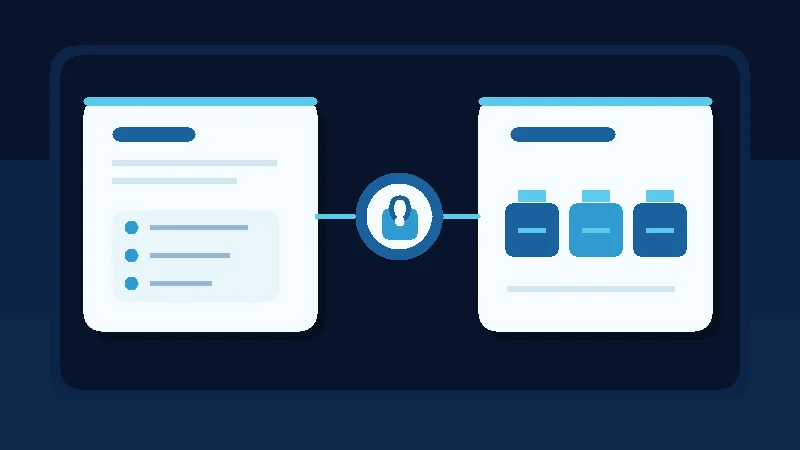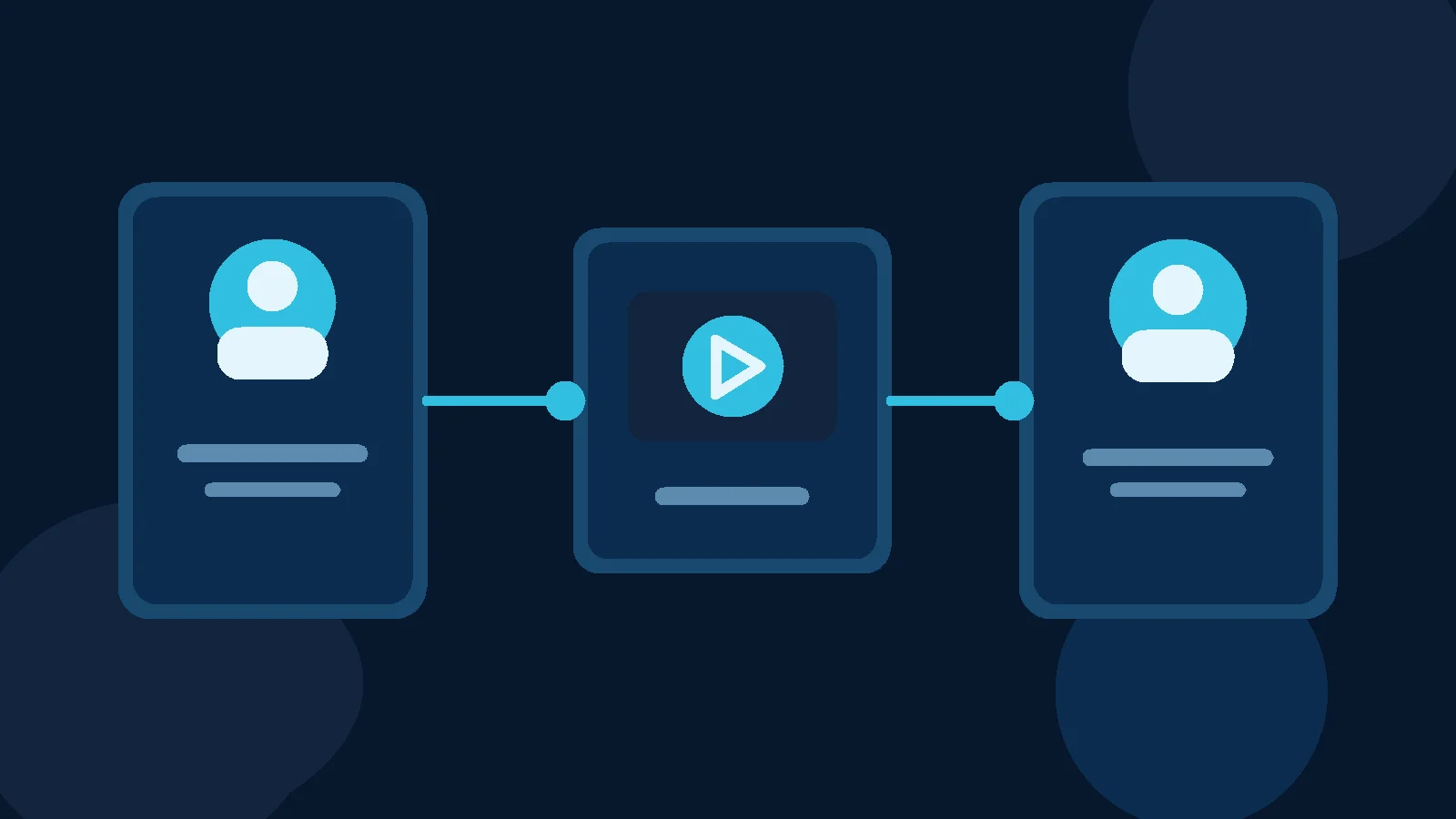
A purchasing contact has been discussing a deal with your sales team for weeks. Then they leave the company. Does the opportunity have to start over? Not necessarily. The real failure is often that deal knowledge lives in personal chats and memories rather than a transferable account record.
Transfer the decision context, not just a phone number
Before approaching the replacement contact, write one concise record: the company's original need, the latest approved scope, the current quote version, open questions, who can authorize the purchase, and the next step. A contact expressing interest is not the same as the buying organization approving a proposal.
This is a different problem from managing several existing approvers. Here the point of contact itself has changed, so authority and consent may need to be established again.
Decide what the business actually agreed to
Consider a hypothetical supplier serving a retail chain. The former buyer requested technical specifications and a revised quote but never issued a purchase order. A record that says “customer approved” would mislead the next account owner. A more accurate record is: “Specifications reviewed, second quote shared, final approval not documented.”
Check four things before restarting the conversation: the legal or trading account, the latest quote and its date, the most recent unresolved objection, and the person or department expected to make the purchase decision. Missing information should remain an open question, not be filled in by an AI guess.
Introduce the opportunity without oversharing
Do not forward an entire previous conversation or confidential documents to an unverified new contact. Use an established company channel and confirm their role and authority before disclosing sensitive details.
A practical example: “Our team had been discussing a branch supply request with your colleagues and had reached the scope review stage. Are you the right person to continue it, or should we coordinate with someone else? Once confirmed, I can share a brief summary.” This is a fictional operating example, not a customer testimonial.
If the new contact is unfamiliar with the project, explain the business need and available choices first. Avoid holding them to deadlines or promises made by a predecessor.
A handover record that survives staff changes
Capture six fields: previous contact and role, verified replacement and role, last confirmed stage, documents cleared for sharing, points that require reconfirmation, and next review date. Assign an internal account owner even if the customer-side contact changes.
Each week, review opportunities affected by contact turnover. Track the share with a verified new owner, time to the first useful exchange, and how many require scope to be reopened. A reply is not evidence that a deal has been recovered.
Where WhatsApp and Mr. AI fit
Do not assume the previous contact's consent authorizes outreach to a replacement. The WhatsApp Business Messaging Policy, updated September 23, 2026, requires recipient opt-in and honoring opt-outs. Business Platform messages outside the customer service window also require approved templates under the policy.
Mr. AI supports company-grounded replies, conversation summaries, follow-up and human takeover across WhatsApp, Messenger and website chat. It does not verify a replacement contact's legal authority or transfer purchase approvals automatically. Start by auditing five affected B2B opportunities, then book a demo if you want to test how your team preserves context and next steps.