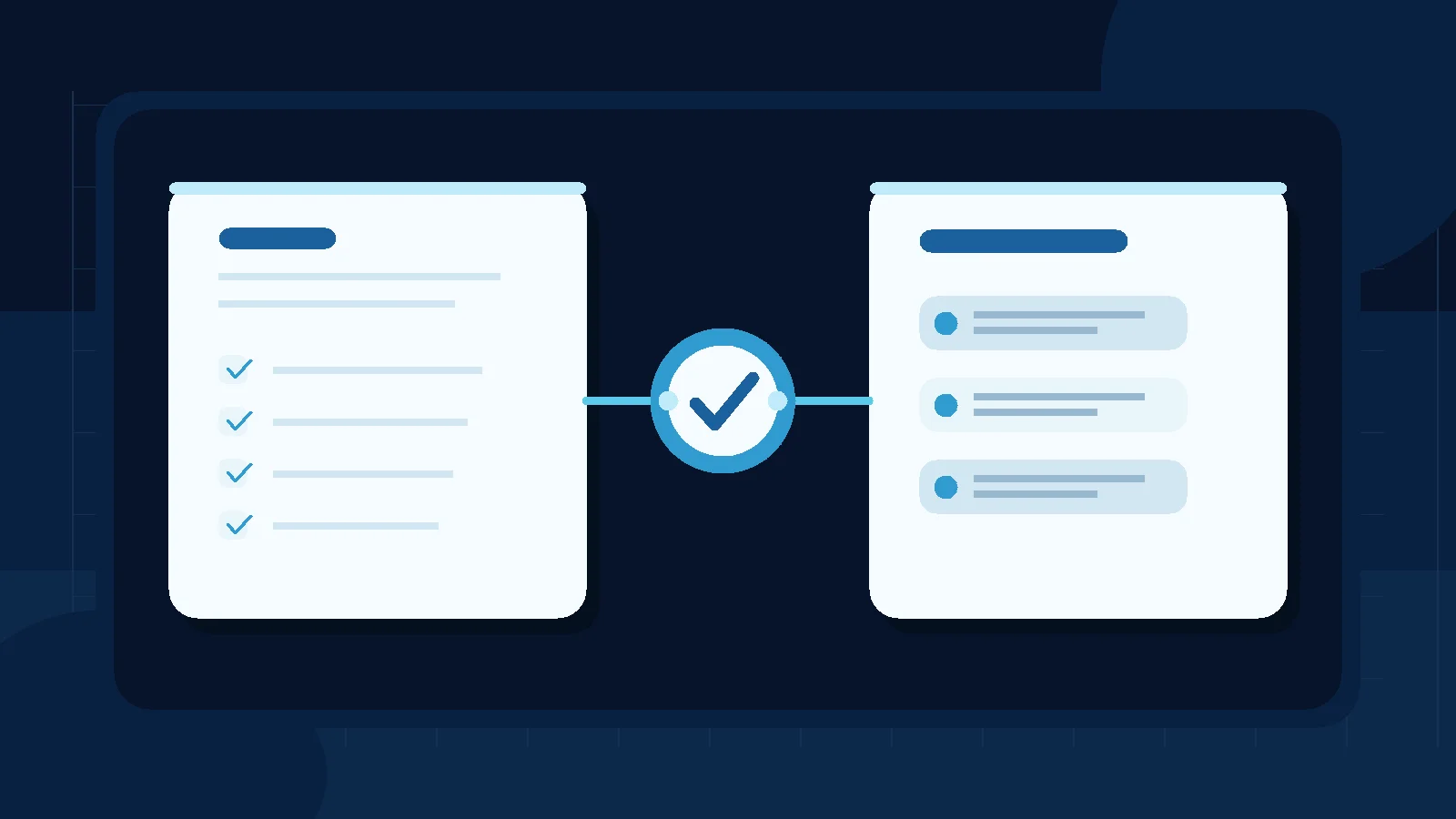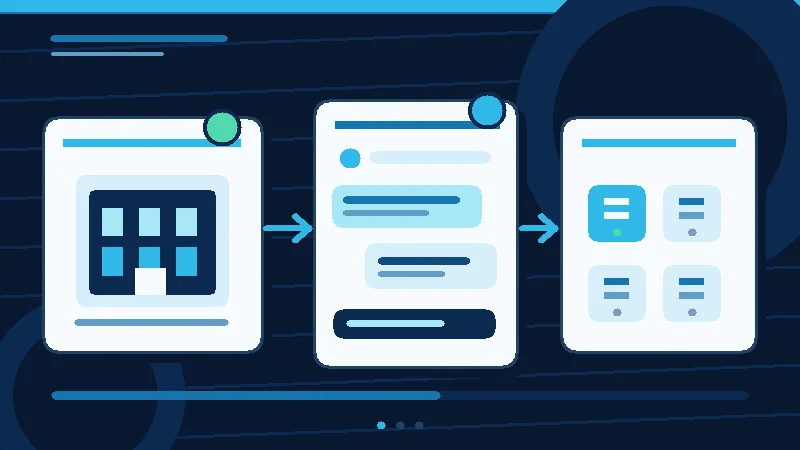
If your business operates four branches, you do not have to launch an AI customer service assistant across all four on day one. Run a defined pilot at one branch and evaluate answer accuracy, follow-up and human ownership before expanding. The objective is not to demonstrate fast replies. It is to find out whether the workflow helps staff handle real customer requests without losing context or making unsupported commitments.
A one-branch pilot is an operational rollout choice, not a technical capability you should assume every platform provides. Verify your channel setup and team responsibilities first.
Choose a branch that can teach you something
The quietest location may not produce enough real conversations. The busiest may leave staff no time to review mistakes. Choose a branch with recurring questions, a manager who can inspect conversations daily, documented service information, and a clear route for requests requiring human approval.
Consider a hypothetical service business with locations in Cairo, Giza and Alexandria. The Giza branch receives frequent questions about opening hours, service prices and appointments, but some bookings require manager confirmation. This is an illustrative scenario, not a Mr. AI customer result. It is a useful pilot only if the team distinguishes giving verified information from actually confirming an appointment.
Define the pilot boundary before customers arrive
Write down which channel is included, which services the assistant may discuss, what information is missing, who monitors the inbox, and who owns escalations. If branches have different prices, a shared undifferentiated price list is a source of risk.
Run a prelaunch AI customer service test with anonymized real questions, especially requests involving missing information, exceptions and branch changes. Include a customer asking about a service not offered at the pilot location.
During the initial rollout, staff must be able to intervene promptly. An appointment is not confirmed merely because a bot has replied. Confirm actual availability with the authorized team.
Four measures that matter more than message count
Answer accuracy: Review a sample against the approved price, opening-hours and policy sources valid on that date. Flag errors that could change a purchase or booking decision, not just stylistic differences.
Human handoff completion: Check whether the assigned employee received the request, understood the context and actually responded. Routing a conversation without an owner is not a successful handoff.
Clear next steps: Did qualified enquiries lead to a specific action, such as requesting a missing detail, arranging a sales call or scheduling a review? Messages and qualified opportunities are not interchangeable metrics.
Total operating effort: Include staff review time, corrections and human intervention alongside platform cost. Faster first replies alone do not prove higher revenue or lower total costs.
Our AI service KPI guide can help structure measurement. Targets should come from your own baseline, not from an arbitrary percentage in a blog post.
Expand only when the failure modes are understood
At the end of the agreed pilot period, review the actual cases. If the assistant repeatedly gives the wrong branch price or promises unavailable appointments, fix the knowledge and approval boundaries before adding another location. If routine answers are sound but handoffs are missed, repair ownership first.
The NIST AI Risk Management Framework Playbook emphasizes governance, measurement and risk management. Microsoft's staged deployment guidance illustrates validating changes before broader rollout. Both are global operational references, not evidence of a specific success rate in Egypt.
Where Mr. AI fits
Mr. AI supports replies grounded in company knowledge, configured follow-up, conversation summaries and handoff to staff. Do not assume automatic branch isolation or location-based permissions simply because you plan a pilot. Check the real channel configuration and access controls before launch.
If you are planning a gradual rollout, start a trial with one branch's real scenarios and review errors and missed handoffs before making the expansion decision.