Message count is not a quality score
An AI assistant can answer a hundred conversations quickly and still provide outdated prices, misunderstand a buyer or miss a human handoff. After launch, the team needs regular reviews of actual conversations with criteria that distinguish minor friction from consequential mistakes.
In March 2026, NIST published a report on challenges in monitoring deployed AI systems, including functional performance, errors and real-world feedback. It is general guidance, not evidence of performance outcomes for Egyptian businesses.
Sample for risk, not for compliments
Start with 20 reviewed conversations per week as an illustrative workload, not an industry benchmark. Include random cases and deliberately selected higher-risk cases involving changing prices, complaints, requests for a human or questions outside the knowledge base.
Reviewing only conversations that ended with a thank-you will miss important failures. Record why each case entered the sample.
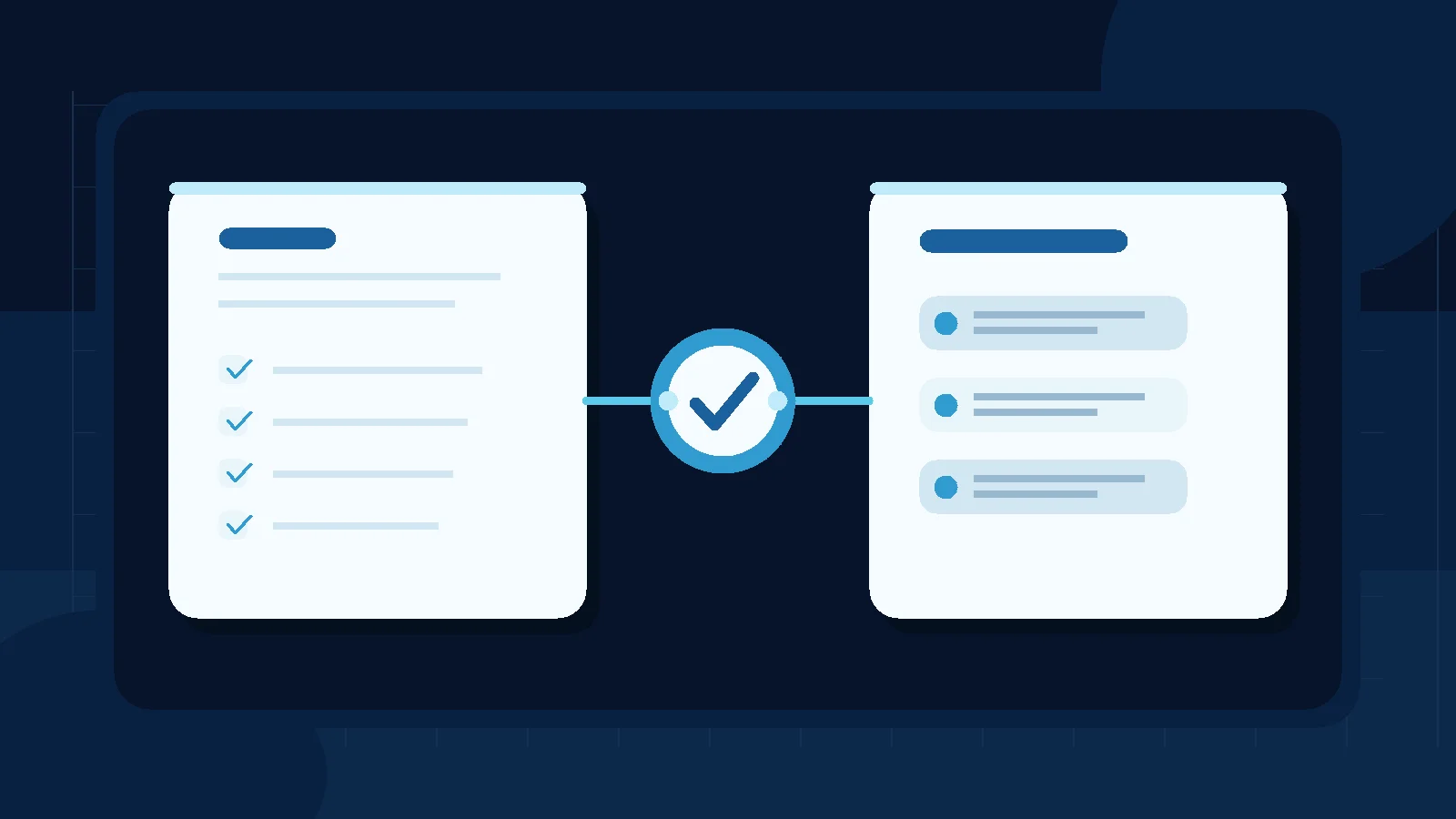
A five-part quality scorecard
Factual accuracy: Did the response match approved information at the time? Did it invent a price, policy or appointment slot?
Intent understanding: Did it answer the customer's actual question instead of repeating a greeting?
Useful next step: Did it identify a sensible action or request missing information without pressuring the customer?
Human escalation: Did it hand off when human judgment was needed, and was the context preserved for the employee?
Safety and clarity: Did it avoid misleading claims, acknowledge uncertainty and respect customer information?
For each category, use “acceptable,” “needs work” or “critical failure,” with a short evidence note. Do not bury a serious mistake inside an attractive average score.
A failure that requires action
A buyer asks about an offer that expired yesterday. The assistant confidently quotes the old price and invites payment. The rest of the conversation might be polite, but the pricing error is consequential.
Pause reliance on that answer, correct the approved knowledge, retest similar questions and consider whether affected customers need human clarification. Updating a document is not proof that the issue has been fixed.
A small improvement cycle
At the end of the week, group recurring issues. Is the cause missing knowledge, an unclear rule, language understanding or late escalation? Change one variable where possible, then test both a stable set of prompts and fresh conversations. Record the change date and results.
Keep answer quality separate from sales outcome. A buyer can decline after a correct answer or buy despite a poor experience. One metric cannot stand in for the other.
What Mr. AI supports
The current FAQ describes company-knowledge replies, summaries, reports, analytics and human intervention. Teams can review available conversation records, but we do not claim Mr. AI ships a built-in automated scorecard matching this framework. This is a manual audit method that can be used with different assistants.
If you have not launched yet, see testing an AI agent before go-live. For live operations, try Mr. AI and review a small anonymized sample with your team.
References: NIST: Challenges to Monitoring Deployed AI Systems, March 2026; NIST AI RMF Measure.