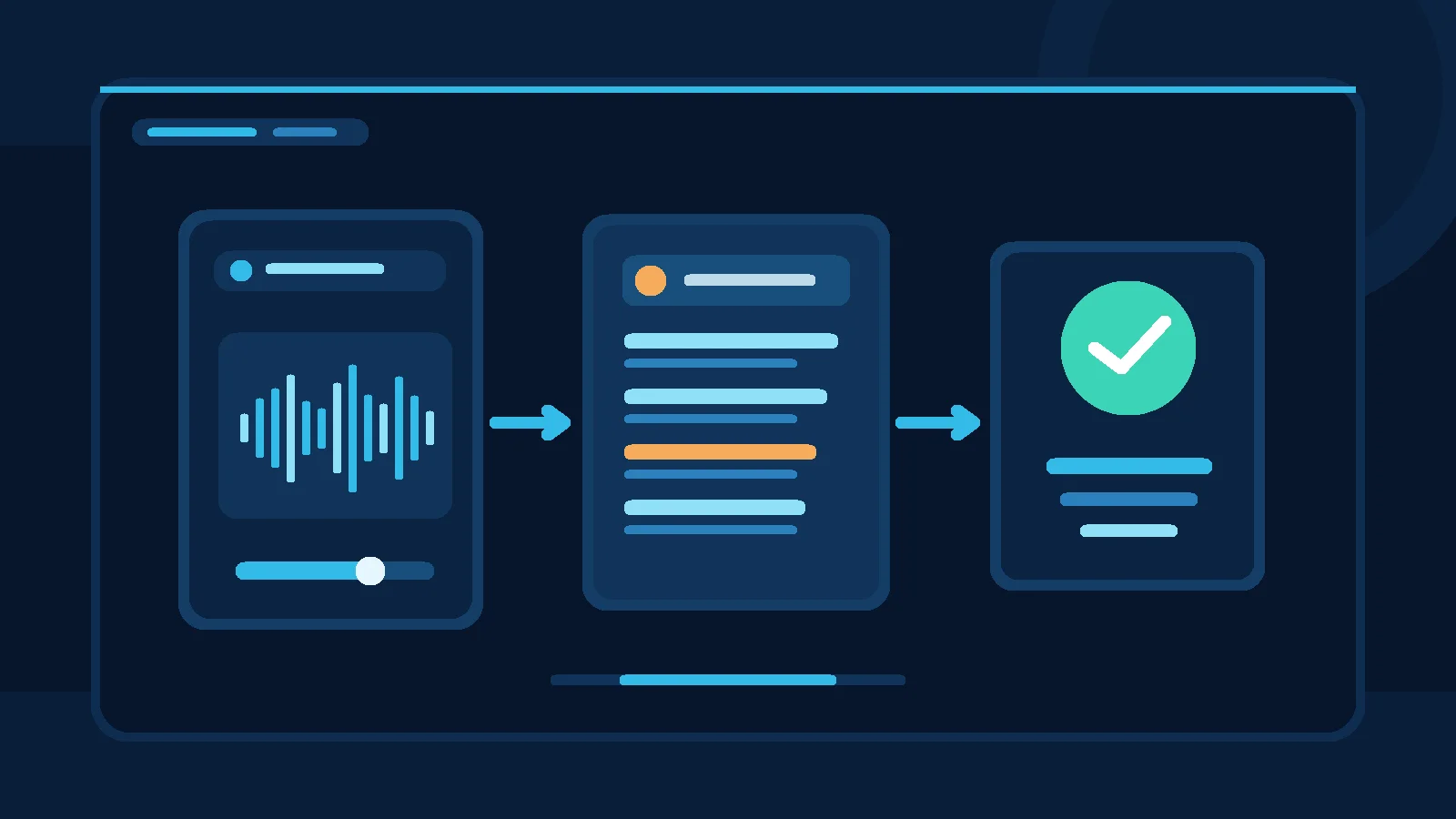
A parent messages a clinic: "Can we move the children's Thursday appointments?" The reception team sees one WhatsApp number, but the booking system has several appointments under different names. Changing the first record that appears can move the wrong person's appointment or leave the original slot active.
A contact number is not a patient identifier. Each appointment needs its own patient match, authorization check and confirmed replacement slot. This is more specific than ordinary reminder scheduling or booking for someone else.
Establish exactly which appointments are in scope
Do not assume that "the children's appointments" refers to every family booking. Ask for the minimum information needed to identify each requested appointment under the clinic's approved process. Avoid presenting a list of everyone linked to that phone number. Do not reveal diagnoses or previous visit details while trying to establish which booking is involved.
When the person requesting the change is not the patient, use the clinic's process to verify their authority. Rules for minors, guardians and adults are not interchangeable. Unclear cases belong with an authorized staff member, not an automated assumption.
Keep separate records even when the phone number is shared
Consider a hypothetical household with a child's morning consultation and a parent's evening follow-up associated with the same number. "Move Thursday" does not identify which appointment is meant. Record a pending change request, establish the patient and specific booking, then check actual availability with the booking system or schedule owner.
Depending on clinic policy, the old appointment may need to remain in place until the replacement is confirmed. Do not promise a new time before it is recorded in the authoritative schedule. After the change, confirm that each patient has one correct booking or an explicit waiting status.
Keep scheduling information separate from clinical information
An authorized contact may receive a minimal appointment confirmation under the clinic's procedures, but clinical details and results require additional safeguards. The World Health Organization's Patient Safety Rights Charter, launched in April 2024, includes privacy, confidentiality and patient and family engagement among safe-care principles. This is international guidance, not a statement of Egyptian legal obligations.
The UK Information Commissioner's Office guidance also illustrates why identity and authority matter when someone requests information for another person. It applies in a UK legal context; the operational lesson should not be mistaken for Egyptian law.
A reception reply that does not expose records
"We can help change the appointments. We'll need to identify each booking separately and verify the details through our usual process. Once availability is checked, we'll confirm each new appointment individually." This does not disclose names or details before authorization has been checked.
If two people request changes to the same booking through different numbers, flag the record for review and assign one owner. Keep a trace of who requested the change, who approved it and when the schedule was updated.
What to review weekly
Look at unresolved change requests, duplicate bookings created during rescheduling, confirmations that no longer match the final schedule, and complaints about information being shared. A low message count does not prove that the workflow is safe.
Related reading covers booking for another patient and reminders versus rescheduling. This guide focuses on multiple patients and appointments behind one contact number.
Where Mr. AI fits
Mr. AI can answer using approved clinic information, follow up, summarize requests and hand cases to staff. Do not assume it can verify medical identity, change a clinic calendar or synchronize appointment records without a separately verified integration. Test the family scenario with synthetic data and define when reception must take over. You can book a demo to discuss the inquiry and handoff workflow.