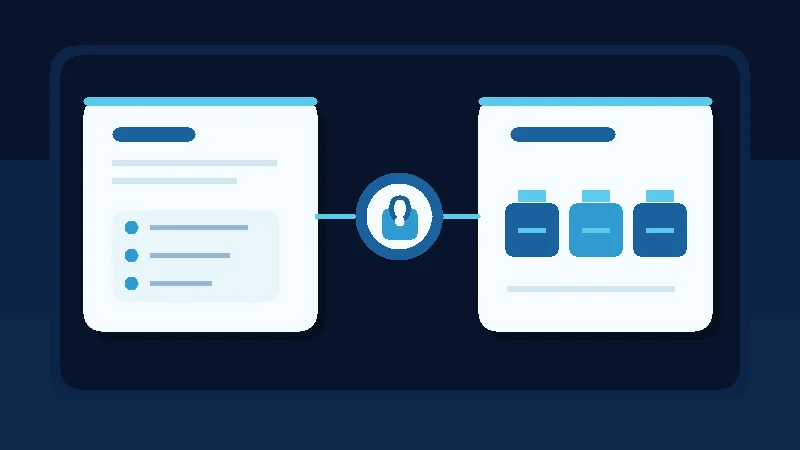
The order is packed and sales has promised delivery tomorrow. Then the receiving site adds a requirement: the truck must be registered or have an entry permit before it can pass the gate. Dispatching and hoping the driver gets through is not a delivery plan. Treat site access as a separate readiness check, even when the goods and purchase order are ready.
A correct address does not equal permission to enter
A customer may have approved the purchase order and confirmed the address, while the facility still needs the driver's name, vehicle registration, item list, allocated arrival slot or a site-specific safety approval. These are examples, not universal Egyptian requirements. Ask the receiving team for the current written rules, the approving contact and the permit validity period.
Microsoft's guidance on work-order account requirements distinguishes customer account information from service locations and work instructions. It is a global operational reference, not a source of mandatory Egyptian site-permit rules.
Separate four operational states
If the goods are ready and the receiving site has confirmed entry, check transport capacity and the receiving window before confirming dispatch. If the permit request is pending, report that the shipment is ready but the site clearance is not. If the permit exists but the driver or vehicle has changed, ask the site whether the authorization remains valid. If clearance is still missing close to the slot, escalate to the customer's authorized contact and assess storage and transport consequences before moving the truck.
Consider a hypothetical equipment supplier delivering to a factory. Purchasing says, “Thursday works.” The security office separately asks for vehicle details. A suitable delivery day does not prove that gate authorization has been issued. This is an illustrative scenario, not a Mr. AI customer case.
One record before the truck moves
Record the purchase order reference, delivery address and gate where applicable, receiving contact, authorized communication channel, access requirements, permit number and expiry or pending status, permitted transport details, and the person responsible for the next decision. Do not distribute identity documents or driver personal data through broad chat groups without a clear need and access rules.
The key question is who can confirm site entry, not simply who wants the goods. Once approved, send one controlled version of the instructions to transport and receiving, including a realistic arrival window.
A useful customer update
A response could be: “The order is ready for dispatch. Before we confirm departure, we need to verify the site's entry requirements and any required approval. Once receiving confirms the details, we will send the final arrival window.” This protects the relationship without making a delivery promise that the team cannot yet keep.
If purchasing and receiving disagree, use the conflicting delivery instructions guide. For orders already planned across multiple sites, see multi-location delivery scheduling.
Where Mr. AI fits and where it stops
The current Mr. AI FAQ describes replies based on company knowledge, conversation summaries, team handover and follow-up. It does not establish that the product obtains entry permits, validates a factory gate's authorization or controls dispatch systems. Set the human approval process first, then test your inquiry and follow-up workflow using non-sensitive examples.
Each month, review delays caused by site clearance, the share of shipments with complete access details before dispatch, and the operational cost of waiting. Keep access problems separate from stock delays so the team fixes the right process.