The customer has received the shipment, but accounts payable says, “We cannot release payment until we have proof of delivery.” Sales has a WhatsApp message saying “It arrived,” and the driver has a delivery note, but the document does not identify the purchase order. A message confirming arrival is not automatically the evidence required under the agreed payment process. Before chasing payment, establish which receipt document is missing and who is authorized to approve it.
Dispatch, arrival and accepted receipt are different events
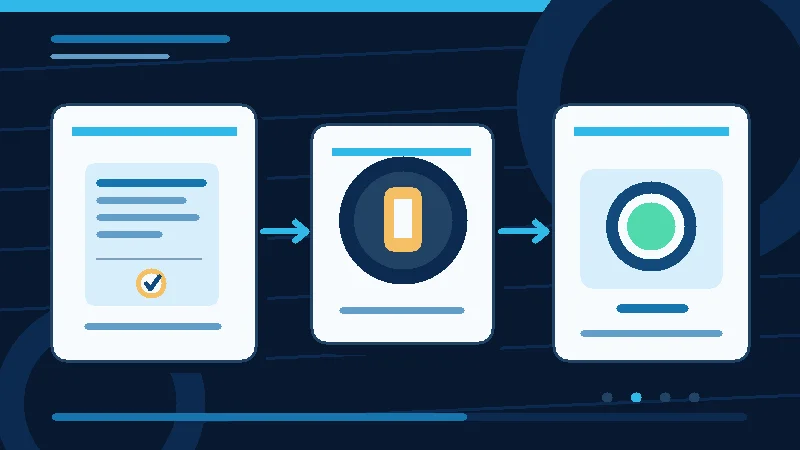
A truck leaving your warehouse does not prove delivery. Reaching the customer's gate does not confirm the quantity or condition was accepted. A signed receipt does not necessarily mean accounts payable has approved the invoice for payment. Record dispatch, arrival, inspected or accepted receipt, and submission to finance as distinct states. Do not collapse them into one vague “delivered” status.
Microsoft's customer invoicing documentation describes invoicing based on packing slips and quantities shipped. It is a global enterprise workflow example, not a mandatory Egyptian rule or a universal payment-release requirement.
Check the agreed evidence before chasing the invoice
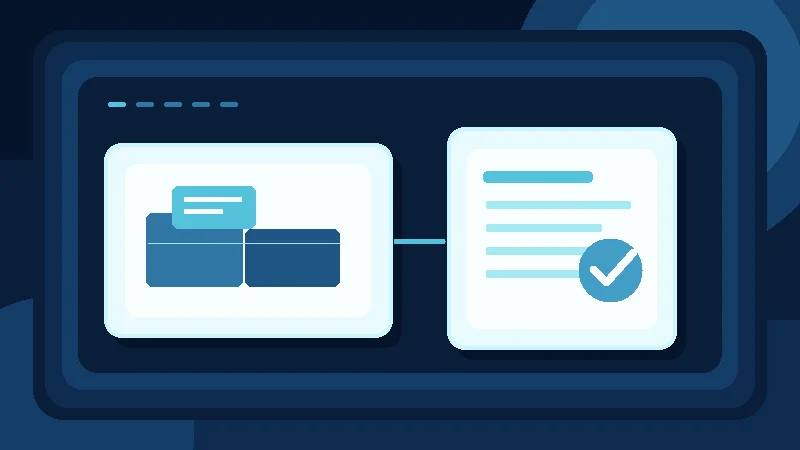
Review the purchase order, contract and agreed terms to identify what counts as proof: a delivery note, receiving report, authorized signature, receiving stamp or inspection record, depending on the buyer. Match the document to the order reference, delivery date, quantity and receiving party. For a partial shipment, do not request confirmation for the full order as if every item arrived. See the partial delivery versus short receipt guide.
Microsoft's product receipt guidance explains why receipt identifiers help match supplier documents with quantities actually received. That does not mean your buyer uses Microsoft or requires the same form.
An example of where payment gets stuck
Consider a hypothetical supplier delivering 40 units to two branches. One branch receives 25, the other 15. Sales sends one undifferentiated delivery document without identifying the receiving locations. Accounts payable may need to match each location to the purchase order before approving the invoice. The issue may be missing receipt evidence, not unwillingness to pay.
Before sending another payment reminder, ask purchasing: “Is the proof of delivery missing, awaiting approval, or present but inconsistent with the invoice?” Each answer requires a different next step. If there is a damage dispute, use the damaged goods evidence guide.
Follow up to resolve the blockage
A useful message is: “To make sure the order documentation is complete before we discuss payment timing, could you confirm whether the receipt for purchase order [reference] reached the reviewing team, and whether any details are missing? We will check the gaps and provide the required version.” Insert the actual reference rather than inventing one.
Assign a document owner, a customer contact owner and someone authorized to correct the invoice if necessary. Do not let an automated assistant declare that the buyer's finance team has approved a receipt or that payment is legally due.
What Mr. AI can and cannot do
The current product FAQ describes collecting conversation context, summarizing it, handing it to staff and supporting follow-up. It does not establish automated signature verification, accounting reconciliation or legal determination of payment dates. Test the missing-document workflow with your team before using it in live customer conversations.
Review monthly how many B2B invoices are delayed by incomplete delivery documents, the time from delivery to evidence submission, and the share returned for reference mismatches. Separate these from credit delays and price disputes, because the corrective action is different.