A prospect asks one simple question: “How much does it cost?”
If the answer is a fixed, published number, forcing them to book a call just to discover it adds friction without adding much value. But the opposite extreme is not useful either: some B2B offers genuinely cannot be priced until scope, usage, locations, or integrations are understood.
So the useful question is not “Should B2B companies publish pricing?” It is: Which part of pricing can a buyer understand on their own, and where does a salesperson actually add value?
Buyers are doing more of the early journey themselves
Gartner reported in March 2026 that 67% of surveyed B2B buyers preferred a rep-free experience, while 45% had used AI in a recent purchase. A separate Gartner release in May found buyers used an average of seven information sources during a recent purchase, and 70% preferred a fully digital self-service buying experience.
That does not make salespeople obsolete. The same May research found 69% preferred to validate AI-generated insights with a sales rep. Buyers increasingly want to collect basic information independently, then involve a person when they need validation, context, reassurance, or help with a consequential decision.
Gartner , March 2026
Gartner , May 2026
“Contact sales for pricing” is not automatically premium
TrustRadius reported that 49% of software buyers said the number-one thing they would change about the buying process was the lack of transparent pricing information.
These are global technology-buyer findings, not Egypt-specific benchmarks, and they do not prove that publishing a price will increase any particular company's conversion rate. They do show that hiding information buyers actively seek can create friction.
Fixed plan? Give the buyer the number
When a product has fixed plans, the useful response is usually straightforward: price, what the plan broadly includes, and the one caveat that materially affects the decision.
Mr. AI's current pricing page lists Starter at EGP 1,100 per month with 1,300 points, with higher plans offering larger point balances. WhatsApp, Facebook Messenger, and website chat are listed across the published plans.
A buyer should not need a discovery call merely to learn information that is already public. The sales conversation becomes more useful when it starts one step later: Which plan fits the buyer's actual conversation volume and workflow?
Custom pricing is different from hidden pricing
A services firm may price by scope. A software implementation may depend on locations, integrations, or usage. In those cases, a single public number can be misleading.
“Pricing depends on the number of locations and the implementation scope, so I can't give you an accurate figure yet. If I ask two quick questions, I can help narrow down the right path.”
That is very different from withholding a known price simply to capture a phone number.
The bigger problem is two different prices
In a 2025 survey, Gartner found 69% of B2B buyers reported inconsistencies between information on a supplier's website and information provided by sellers. Gartner warned that conflicting information can create mistrust and put a transaction at risk.
Before adding AI to a sales inbox, establish a pricing source of truth: current plans, currency, relevant taxes or fees, update dates, and the situations that require a custom quote.
A good answer to “How much?” is almost boring
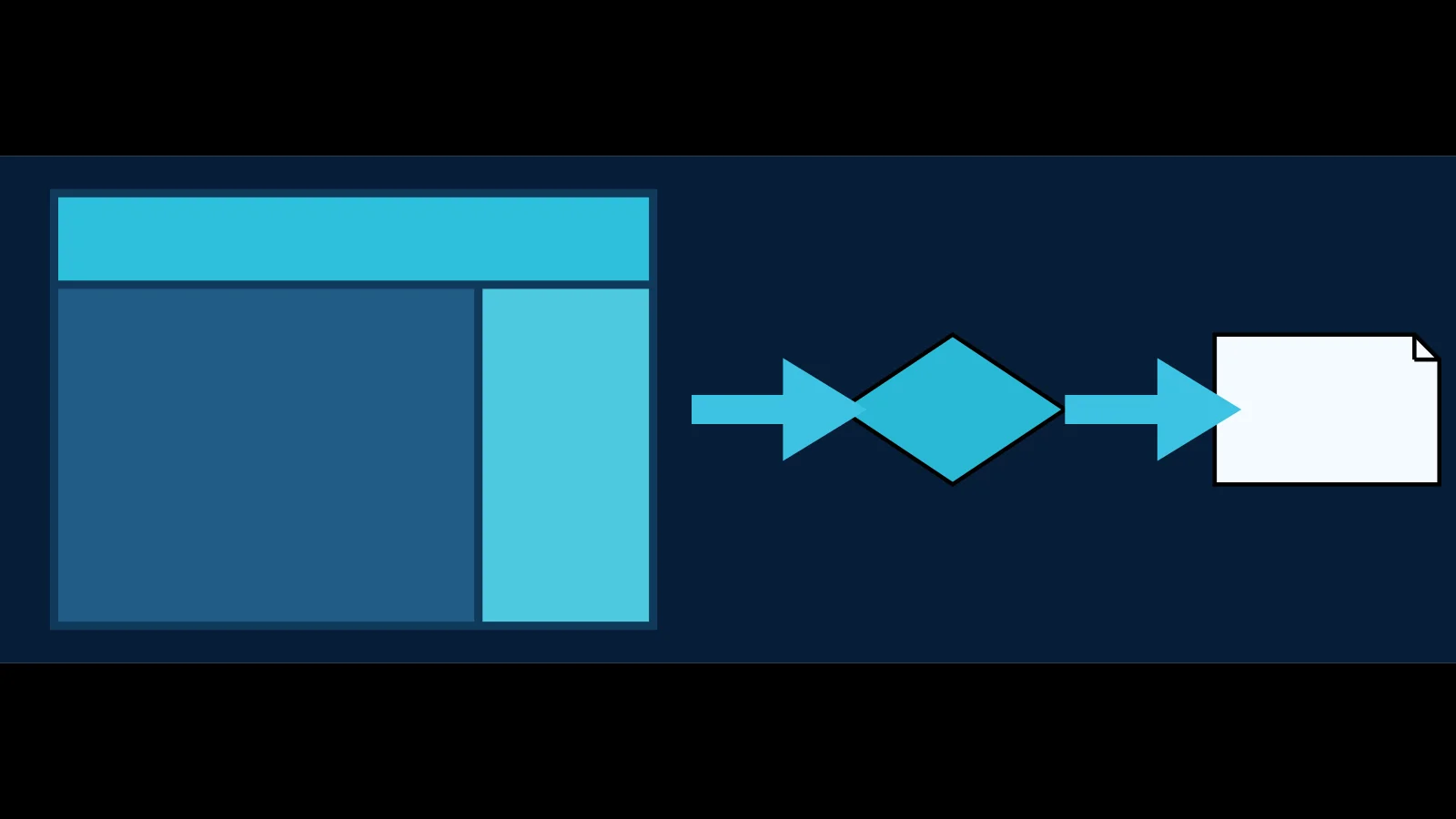
For a fixed price: Price → what matters in the plan → one useful fit question.
“Starter is EGP 1,100 per month and includes 1,300 points, with WhatsApp, Messenger, and website chat supported. If you share roughly how many customer conversations you handle, I can help you work out which plan is closer to your usage.”
For custom pricing: Explain the variable → collect only the information required → move to the right next step.
No artificial mystery. No automatic quote where human judgment is needed.
What AI should, and should not, do with pricing
Based on Mr. AI's currently published product information, the system can reply using company knowledge across WhatsApp, Facebook Messenger, and website chat, help with follow-up and next-step tracking, and hand conversations to the team when human judgment is required.
For pricing, that creates a deliberately narrow role: answer from approved information when the price is known; hand off when a quote or decision requires human judgment.
A useful pre-launch test is to ask the AI about every plan, an expired price, a discount that does not exist, and a scenario requiring a custom quote. If it cannot distinguish those cases, faster replies are not the priority yet, the knowledge source and rules are.
You can try the Mr. AI customer experience with real buyer questions, or book a demo to review the pricing and qualification journey with the team.