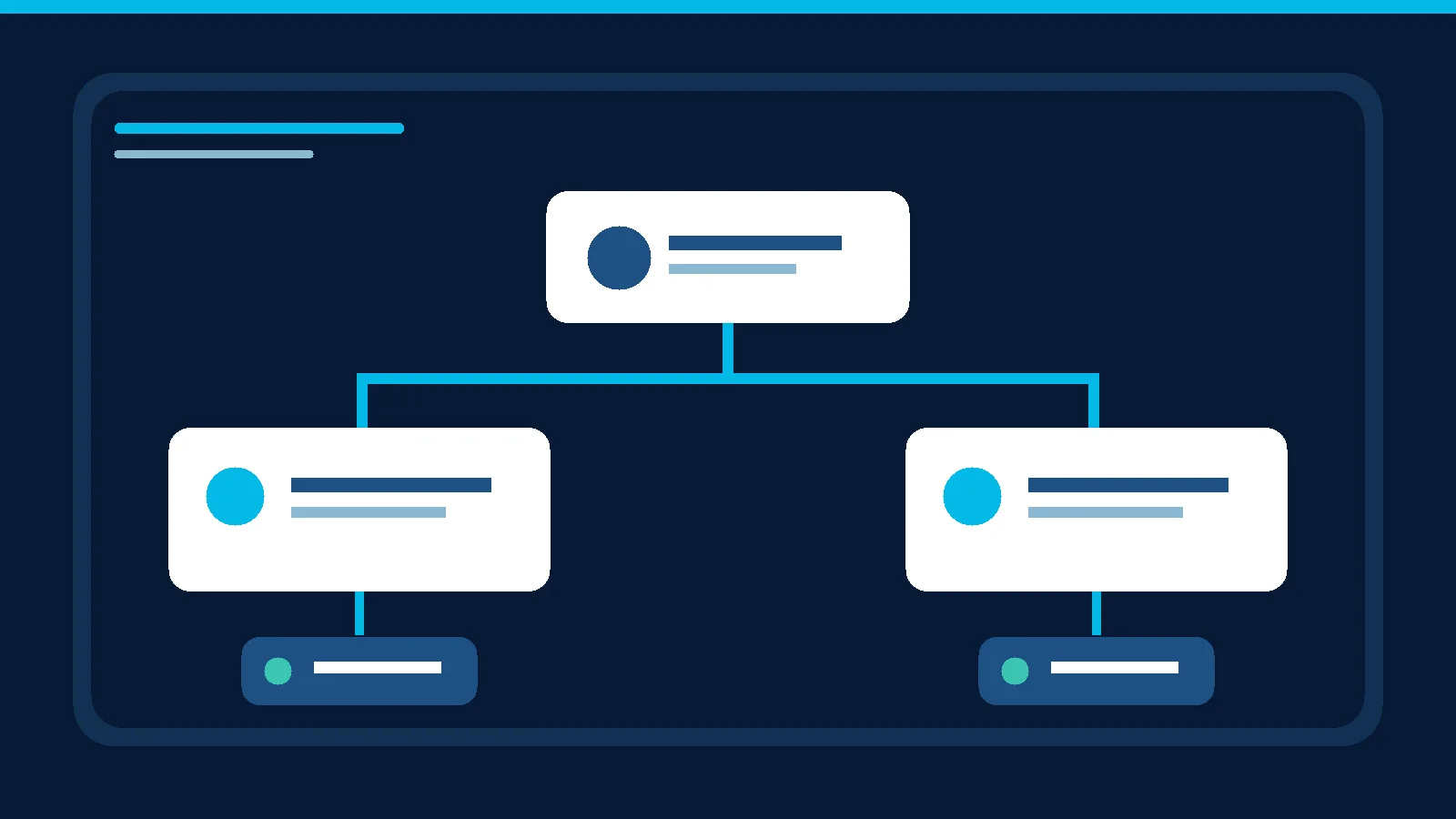
Two people message your sales team about the same service. They work for businesses under one parent group, and perhaps share a procurement manager. Is this a duplicate lead? Not necessarily. A corporate group, a legal buyer and an individual buying decision are different records in a reliable B2B process.
This matters to Egyptian suppliers and service providers working with multi-company groups. Central procurement may collect quotations, but each subsidiary can have its own budget, approver, contract and delivery location. Merging every request into one opportunity hides real blockers. Opening a new opportunity for every WhatsApp message inflates the pipeline and creates duplicate follow-up.
Separate the parent group, buyer and opportunity
A parent group describes the relationship between related businesses. The buying entity is the specific company contracting, issuing a purchase order or receiving an invoice. An opportunity is one potential purchase, with scope, stage, decision process, owner and next action.
Imagine a distribution company and a manufacturer within one group. One procurement manager asks about customer messaging software for both. If the subsidiaries evaluate, approve and pay separately, there may be two opportunities linked to one parent group. If the parent buys one agreement covering both, a single opportunity may be appropriate. The record structure should reflect the buying decision, not the number of chat threads.
Questions that determine whether to merge or split
Who issues the purchase order? Who signs the agreement? Is there one budget or two? Does one person approve both purchases? Who receives the service? Does the quote cover identical scope and terms?
When the answers differ, maintain separate opportunities and link the accounts. When they genuinely describe one purchase, use one opportunity and list the beneficiary entities. If the answers remain unknown, do not mark the opportunity as fully qualified simply because a contact says they represent the entire group. Record the missing legal buyer and approval authority.
Microsoft's account hierarchy documentation illustrates how related companies, branches and contacts can be linked. This is a global CRM design reference, not Egyptian legal or accounting advice.
Avoid double-counting pipeline value
Use a consistent rule: one independently trackable buying decision is one opportunity. Do not add the same quotation value to the forecast twice because two employees requested it. Each opportunity needs an owner, buyer entity, stage, next action and a nonduplicated amount. In pipeline review, replace “the group is interested” with “subsidiary A awaits finance approval; subsidiary B has not confirmed scope.”
Do not automatically forward a subsidiary's negotiated price to another company. Contractual terms may be confidential. Verify authorization first. If the requested invoice entity differs from the original buyer, see reviewing an invoice issued to a different legal entity.
How AI can support intake
An assistant can ask company-approved qualification questions about the buyer entity, requirement and next action. According to the current Mr. AI product information, the platform helps teams reply using company knowledge, summarize conversations and hand off cases needing human judgment. This does not establish that it automatically creates parent-company hierarchies or CRM opportunities without a verified integration.
Audit ten recent conversations involving related businesses. Count independent buying decisions, identify missing approvers and check whether amounts or follow-ups were duplicated. Pilot a better intake workflow before changing your entire sales process. You can book a walkthrough to discuss how conversation context reaches the team.