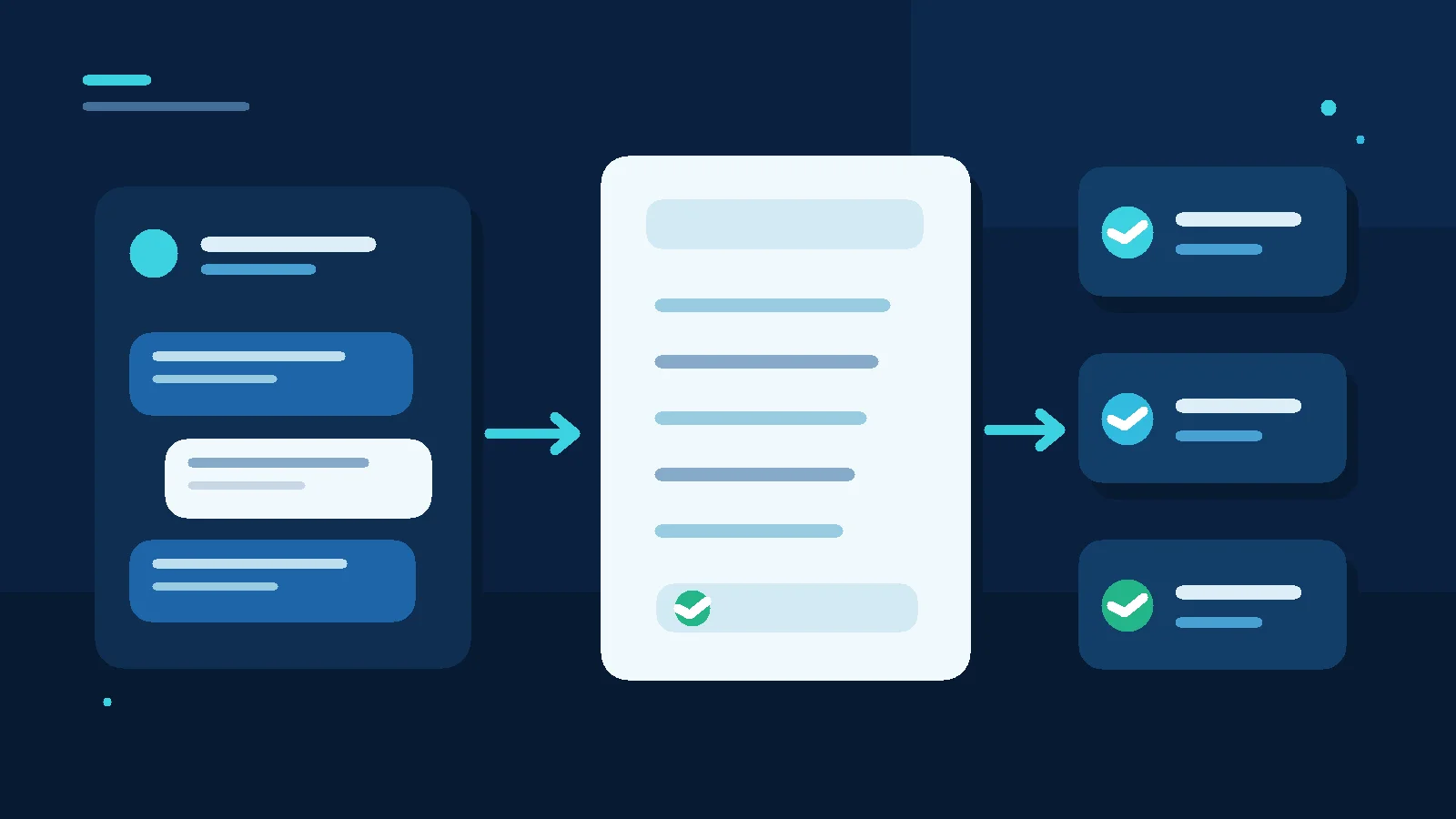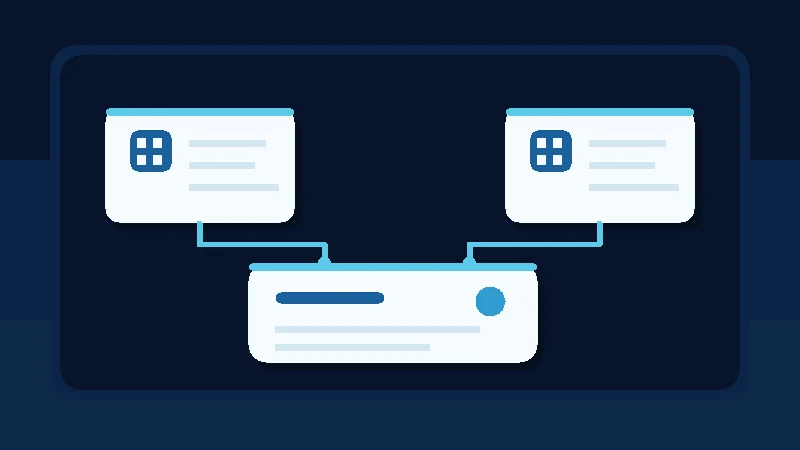
A corporate buyer says, "Please split the invoice. Our company will pay half and our partner company will pay the rest." It may be a reasonable commercial request, but it is not simply a payment-method change. Before Sales agrees, Finance needs to establish who is buying, who is being invoiced and who owes each amount.
Our guide to changing the invoiced legal entity deals with naming a different buyer. This situation is narrower and different: two entities are being asked to bear portions of one transaction.
Are two companies paying, or are two companies buying?
That distinction changes the workflow. One legal entity might buy a service while two entities contribute to payment. Alternatively, the transaction might actually be two separate purchases with different deliverables and invoices. A third possibility is that one entity is only financing the other.
A short WhatsApp request cannot settle the accounting, contractual or tax treatment. Avoid treating these arrangements as interchangeable.
What information should Sales collect?
Record the legal names and relevant registration or tax details of the entities, as appropriate. Identify the contracting party, the service recipient, the proposed share of the amount for each entity, and whether the split relates to specific deliverables or only to settlement.
Then check the purchase order: was it issued by one buyer or two? Has each entity authorized the arrangement? Is delivery to one recipient or multiple recipients? Can the accounting process support the proposed documentation?
These questions are not paperwork for its own sake. They prevent issuing documents that contradict the purchase order or misstate who is responsible for the obligation.
A simple example
Suppose a supplier quotes EGP 100,000 for a service and the customer requests a 50/50 split between two companies. These amounts are hypothetical, not a client result or a legal rule.
If there is one contract with one buyer, the request might be about who remits payment, subject to Finance review. If each entity is buying a distinct portion of the service, separate orders and invoices may be appropriate, depending on the actual contract and tax requirements. Neither outcome should be assumed automatically.
Microsoft's Customer Split documentation describes a software workflow for allocating billing-schedule charges across customer accounts, with multiple invoices potentially created. It illustrates the operational distinction between splitting a charge and documenting the buyers. It is not Egyptian tax or legal guidance.
A reply that keeps the deal moving
Rather than "Sure, we'll split the invoice," try: "We can review the request to allocate the amount between the two entities. Please share each company's details and clarify whether both companies are purchasing separate parts of the service or whether the arrangement is only about payment. Our Finance team will confirm the appropriate documents."
That answer preserves the buyer's intent without making an unapproved commitment.
Who approves the next step?
Sales captures the request and its commercial context. Finance and the company's accountant review the invoicing treatment. The authorized contracting owner confirms any change in buyer identity or scope. Only after approval should the team issue revised documents or terms.
For Egypt-specific e-invoicing requirements, consult the Egyptian Tax Authority's e-invoice resources and a qualified local accountant. This is an operational workflow, not tax or legal advice.
If the request arrives through an AI conversation
An assistant can collect the permitted basic details and explain that Finance must review the request. It should not decide to create two invoices or replace the contracting entity. A useful human handoff contains the existing buyer, proposed second entity, amounts, quotation reference and the unresolved question.
Mr. AI supports knowledge-based replies, configured follow-up and human handoff with conversation context. We are not claiming that it automatically issues or authorizes split invoices. If complex procurement enquiries reach your team through WhatsApp, book a demo to examine how they can be captured and routed.