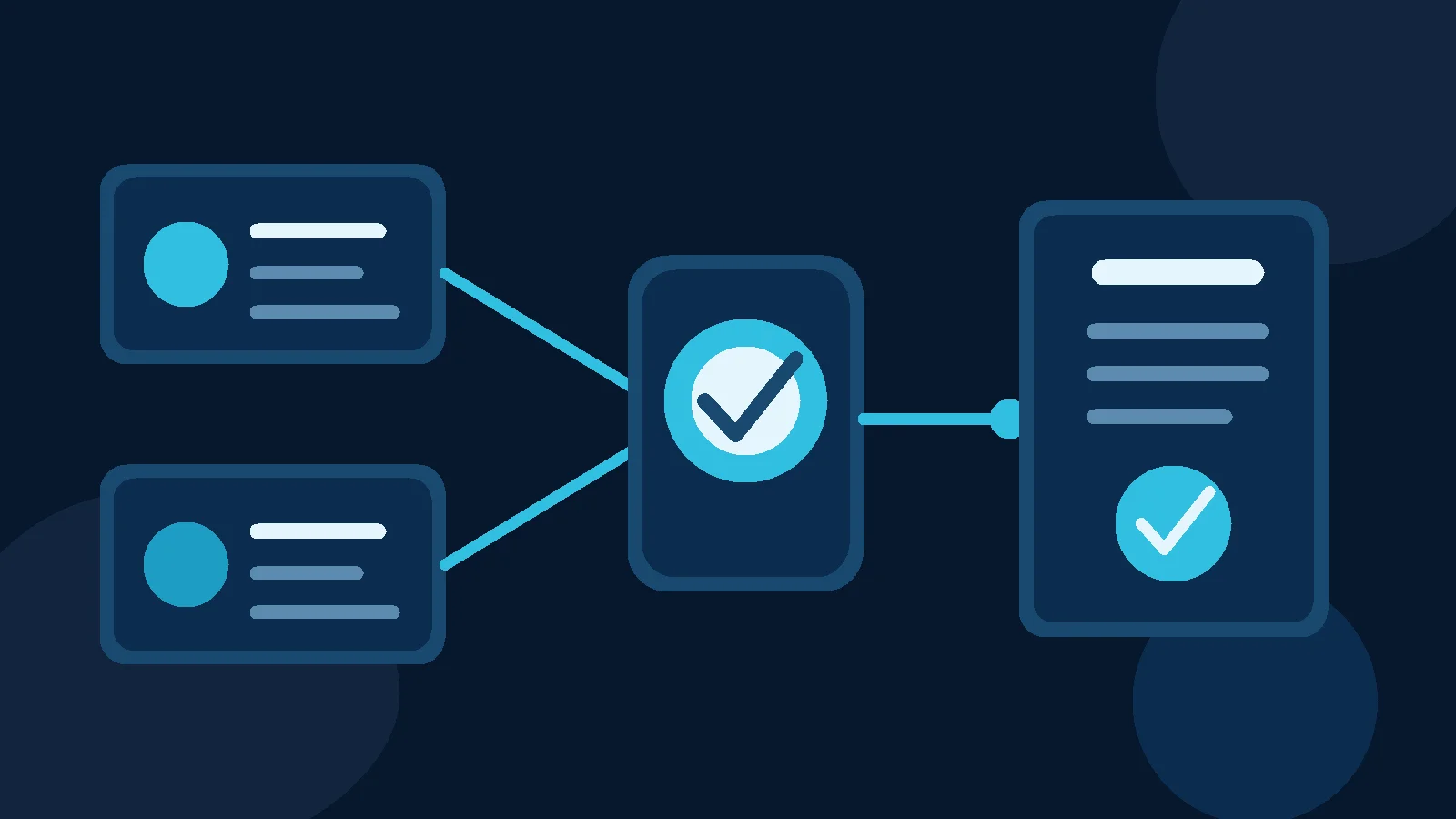
Two people messaging from the same customer company do not necessarily have authority over the same decision. If purchasing approved an order and an operations contact requests a change, do not execute the newest message just because it arrived last. Identify the type of change, the sender's authority and the last approved version.
The real problem is decision rights
In B2B sales, one person requests a quote, another checks specifications, another receives the goods and someone else approves payment. Several contacts can belong to one account while having different responsibilities.
Microsoft's guidance on account contact roles illustrates why documenting organizational relationships matters. This is a general operating practice, not a statement of Egyptian legal signing authority.
Classify the instruction before acting
Correcting a receiving phone number may be a limited operational change that the designated receiving contact can confirm. Changing quantities, prices or payment terms should go back to a documented commercial approver. Changing the legal entity on an invoice may require finance or legal review.
Create a compact decision-rights matrix for inquiries, specifications, commercial offers, fulfillment, delivery and invoicing. For each type, note who may request, review and approve. Leave unknown authority unresolved rather than inventing it.
A hypothetical example
An operations contact tells a supplier: "Add ten units and ship today." The latest purchasing-approved quote does not include those units. The right answer is neither "Done" nor a confrontation about job titles. A better reply is: "We have recorded the additional quantity request and will confirm it with the authorized order approver before changing quantity or dispatch."
The team logs who requested the change, when it was received and which version it affects. The previous approved order remains the reference until a revised version is authorized. Urgency calls for escalation, not bypassing the approval.
Stop only the affected action
For each account, record contact names, roles and how those roles were verified. Connect each material decision to a specific quote or order version. When instructions conflict, pause the affected action, not all communication. The team can clarify details while approval is pending.
Do not reveal contract-specific prices or sensitive details to someone whose relationship to the customer and role have not been checked. A matching company name or profile picture is not sufficient verification.
What automation can and cannot do
Based on current published information, Mr. AI helps teams respond from company knowledge, organize follow-up, summarize conversations and hand cases to people when judgment is needed. This can support continuity of context. It is not a legal identity-verification service, and an automated reply should never be treated as a signature or delegation of authority.
For the narrower issue of delivery addresses, see conflicting delivery instructions from purchasing and receiving.
Next step: review five recent order changes. Can you identify who requested each one, who approved it and which version was executed? If not, fix the approval record before expanding automation.